- Home
- BasketballDiscover the latest trends, style tips, and fashion news from around the world. From runway highlights to everyday looks, explore everything you need to stay stylish and on-trend.
- Volleyball
- Soccerstay updated with the latest football news, match highlights, scores, player stats, and expert analysis from leagues around the world. Your ultimate destination for all things football.
- BoxingTransform your living spaces with inspiration, tips, and trends in interior design. From minimalist decor to bold statements, find ideas for every style and budget.
- Blogs
- Fixtures & ResultsGet the latest sports fixtures and results, including schedules and scores for NBA, PBA, UAAP, NCAA, and more. Stay informed with real-time updates at Sports News PH.
- Pinoy Sports PulseStay updated with the latest sports news, scores, and analyses from the Philippines. Covering PBA, UAAP, NCAA, and more
- Esports
- Opinion & EditorialExplore an in-depth analysis of recent policy changes and their effects on local communities in our latest editorial.
- Game PredictionsAccess expert game predictions, betting tips, and detailed analyses for NBA, PBA, and international sports events. Stay informed and enhance your game insights with our accurate forecasts.
- OKGamesDiscover unlimited fun at OKgames—a free online gaming platform featuring arcade, strategy, racing, and puzzle games with no downloads required.
- Player ProfileDiscover detailed football player profiles including career stats, biography, position, club history, and recent performances. Everything you need to know about top football talent.
- Stars Beyond Sports
- Home
- BasketballDiscover the latest trends, style tips, and fashion news from around the world. From runway highlights to everyday looks, explore everything you need to stay stylish and on-trend.
- Volleyball
- Soccerstay updated with the latest football news, match highlights, scores, player stats, and expert analysis from leagues around the world. Your ultimate destination for all things football.
- BoxingTransform your living spaces with inspiration, tips, and trends in interior design. From minimalist decor to bold statements, find ideas for every style and budget.
- Blogs
- Fixtures & ResultsGet the latest sports fixtures and results, including schedules and scores for NBA, PBA, UAAP, NCAA, and more. Stay informed with real-time updates at Sports News PH.
- Pinoy Sports PulseStay updated with the latest sports news, scores, and analyses from the Philippines. Covering PBA, UAAP, NCAA, and more
- Esports
- Opinion & EditorialExplore an in-depth analysis of recent policy changes and their effects on local communities in our latest editorial.
- Game PredictionsAccess expert game predictions, betting tips, and detailed analyses for NBA, PBA, and international sports events. Stay informed and enhance your game insights with our accurate forecasts.
- OKGamesDiscover unlimited fun at OKgames—a free online gaming platform featuring arcade, strategy, racing, and puzzle games with no downloads required.
- Player ProfileDiscover detailed football player profiles including career stats, biography, position, club history, and recent performances. Everything you need to know about top football talent.
- Stars Beyond Sports
Now Reading: SEA Games 2025: Thailand’s Basketball Rules Are Fair — It’s Time for the Philippines to Adjust
-
01
SEA Games 2025: Thailand’s Basketball Rules Are Fair — It’s Time for the Philippines to Adjust
- Home//
- Basketball//Discover the latest trends, style tips, and fashion news from around the world. From runway highlights to everyday looks, explore everything you need to stay stylish and on-trend.
- Volleyball//
- Soccer//stay updated with the latest football news, match highlights, scores, player stats, and expert analysis from leagues around the world. Your ultimate destination for all things football.
- Boxing//Transform your living spaces with inspiration, tips, and trends in interior design. From minimalist decor to bold statements, find ideas for every style and budget.
- Blogs//
- Fixtures & Results//Get the latest sports fixtures and results, including schedules and scores for NBA, PBA, UAAP, NCAA, and more. Stay informed with real-time updates at Sports News PH.
- Pinoy Sports Pulse//Stay updated with the latest sports news, scores, and analyses from the Philippines. Covering PBA, UAAP, NCAA, and more
- Esports//
- Opinion & Editorial//Explore an in-depth analysis of recent policy changes and their effects on local communities in our latest editorial.
- Game Predictions//Access expert game predictions, betting tips, and detailed analyses for NBA, PBA, and international sports events. Stay informed and enhance your game insights with our accurate forecasts.
- OKGames//Discover unlimited fun at OKgames—a free online gaming platform featuring arcade, strategy, racing, and puzzle games with no downloads required.
- Player Profile//Discover detailed football player profiles including career stats, biography, position, club history, and recent performances. Everything you need to know about top football talent.
- Stars Beyond Sports//
- Home
- Opinion & Editorial
- SEA Games 2025: Thailand’s Basketball Rules Are Fair — It’s Time for the Philippines to Adjust
SEA Games 2025: Thailand’s Basketball Rules Are Fair — It’s Time for the Philippines to Adjust

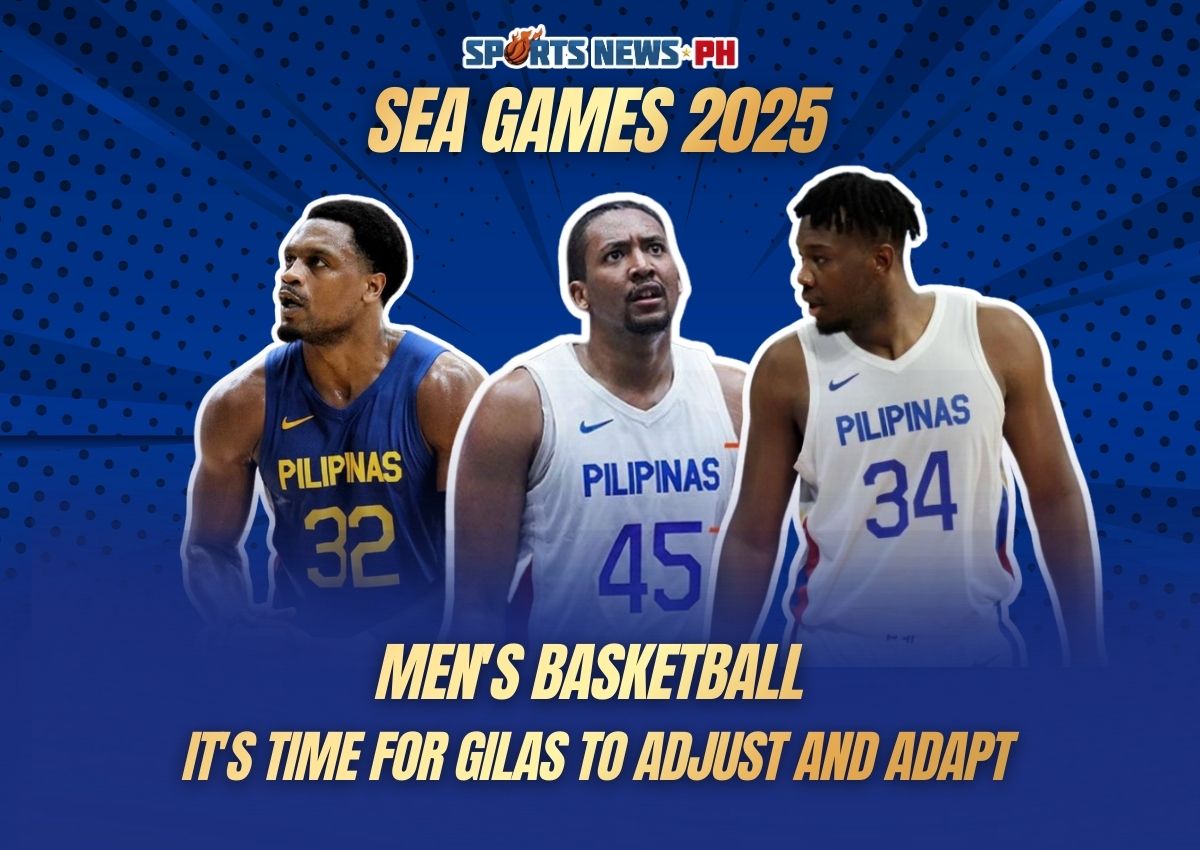
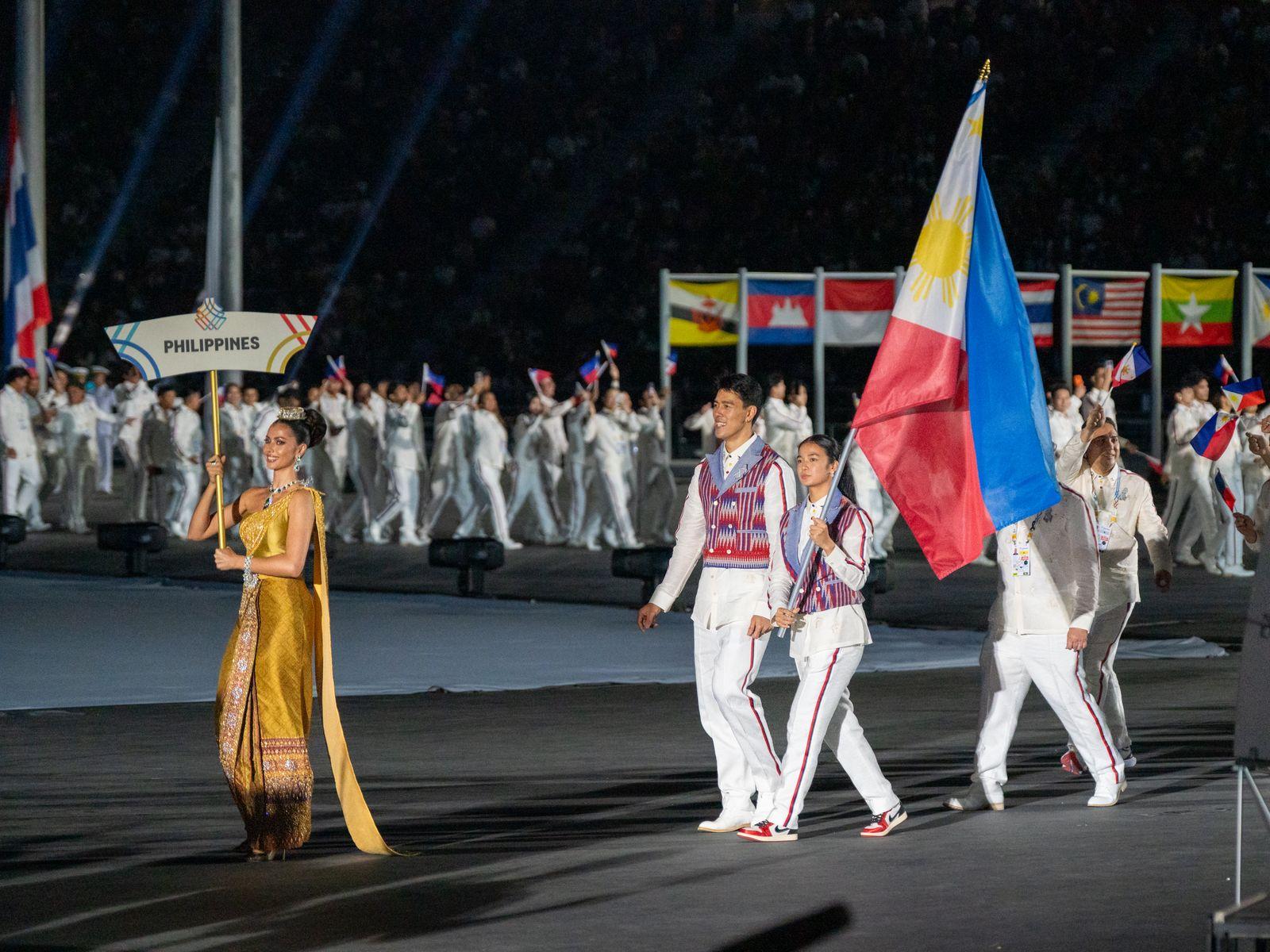
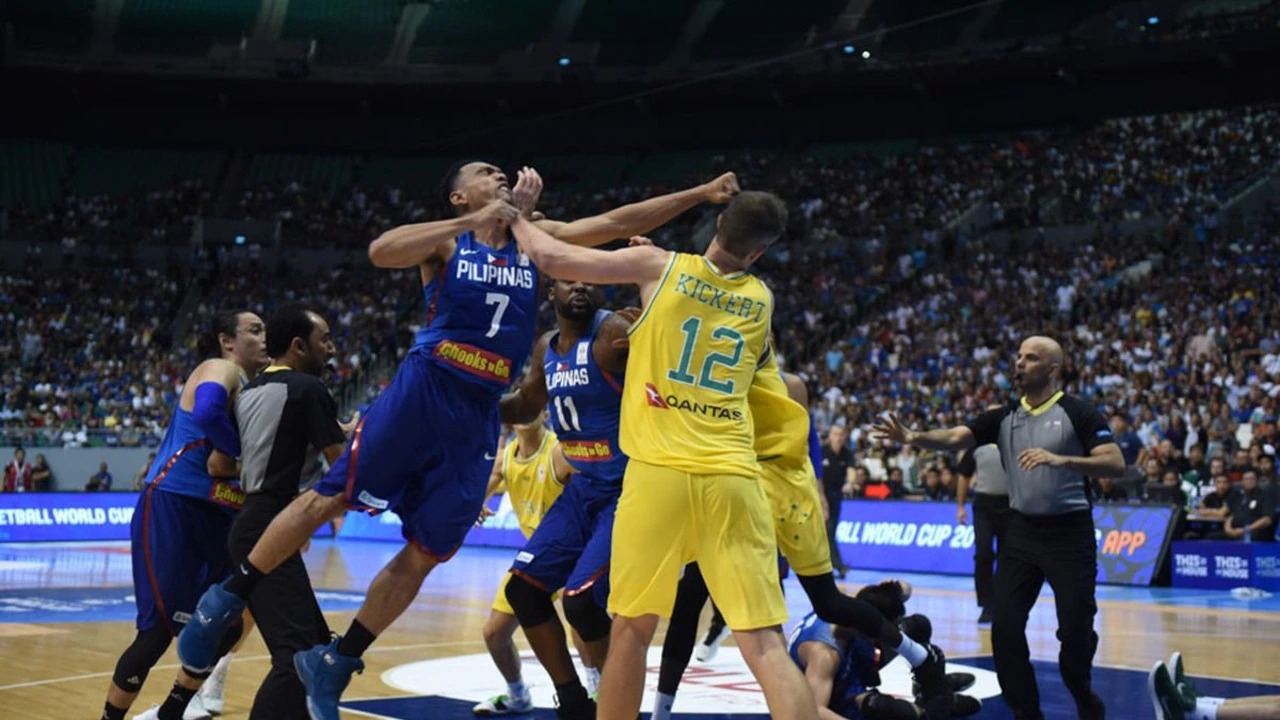
As the buildup to the 2025 Southeast Asian Games intensifies, no sport has generated more noise than basketball — not due to matchups or talent, but because of the backlash surrounding Thailand’s eligibility restrictions for naturalized players.
Under the new guideline, only passport-holding citizens of the country they represent may compete. Dual citizens are eligible, but naturalized athletes who obtained citizenship through special processes — rather than birth or lineage — are not.
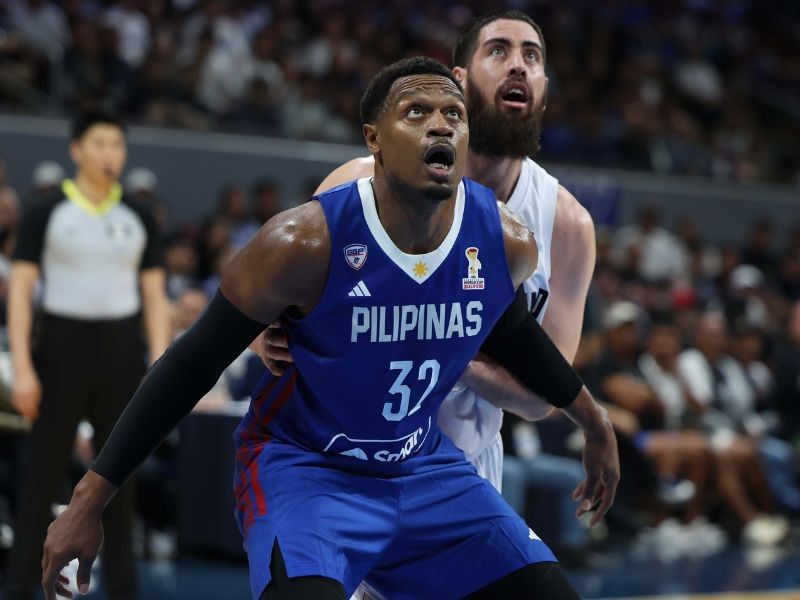
This rule affects every nation, including the Philippines, which cannot field its naturalized stars, such as:
- Justin Brownlee
- Ange Kouame
- Ben Mbala (if considered)
- Brandon Rosser (if applying under special naturalization classification)
- Any future naturalized reinforcements under Republic Act special citizenship grants
The regulation is uniform, clear, and applies to all — yet the outcry from Filipino fans and officials has been the loudest, despite the fact that Thailand is fully within its rights as host nation.
The SEA Games Aren’t Governed by FIBA — Hosts Set the Standards
Here’s the truth many often overlook:
The SEA Games is not a FIBA event.
This means FIBA eligibility rules do not automatically dictate who can play. Every SEA Games host drafts its own competition handbook, defining rules based on their logistical needs, developmental goals, and competitive philosophy.
Thailand’s decision is not unprecedented. Past hosts — including the Philippines — have also adjusted eligibility rules in various sports. It has always been part of the SEA Games tradition.
The Rule Is Fair — And It Levels the Playing Field
Critics insist that Thailand’s rule “targets” the Philippines, but that claim does not stand up to scrutiny.
Thailand’s passport-only rule affects everyone:
- Indonesia cannot field naturalized Americas such as Marques Bolden or former reinforcements.
- Cambodia cannot repeat its 2023 roster loaded with naturalized athletes.
- Vietnam, Malaysia, Singapore, and others face similar limitations.
If all nations must follow the same standard, how can it be labeled unfair?
In fact, the rule may even promote competitive balance by encouraging teams to rely more on homegrown talent.
Adaptation Is Part of Competition — Complaints Are Not
Sports teams succeed not only through talent but through their ability to adapt. Thailand’s rule pushes federations to do what high-level programs should already do:
- Develop local players
- Strengthen youth pipeline systems
- Build identity through homegrown talent
Instead of accepting the challenge, however, the loudest reactions have been emotional and combative. But in international sport, adaptability is just as important as skill — and excessive protest does nothing to change the rules.
Thailand’s Transparency Should Be Commended
The organizing committee published the eligibility guidelines early and clearly. No nation was blindsided. Every basketball federation — including the Philippines — had ample time to adjust.
Instead of appreciating this transparency, critics turned the conversation into controversy when, in reality, Thailand has acted consistently, fairly, and in good faith.
This SEA Games aims to highlight the region’s homegrown basketball identity — and Thailand’s rules reflect that vision.
Without Naturalized Players, the Challenge Becomes More Authentic
Here is the deeper truth that few want to admit:
Some nations fear losing their competitive edge without naturalized stars. For the Philippines, that means proving they can win without Brownlee, Kouame, or Mbala — a true test of local basketball depth.
If dominance has depended on imports, then the question arises:
Was it ever truly a representation of local basketball strength?
This SEA Games will provide the answer.
Thailand Is Not the Problem — Resistance to Change Is
By setting clear, consistent rules, Thailand has done nothing wrong. The controversy has come not from the rule itself but from the refusal of some to accept that international competition requires flexibility.
The teams that adapt will thrive. Those that dwell on complaints will fall behind. And when the SEA Games basketball competition tips off, it will become clear which nations embraced the challenge — and which ones were too distracted protesting it.
👉 Don’t miss out on the latest sports news, updates, and fan discussions!
📌 Follow our Facebook page Sports News PH today and join the community of passionate sports fans.










Related Posts
Stay Informed With the Latest & Most Important News
Previous Post
Next Post