Now Reading: Maverick Ahanmisi blasts controversial basketball influencer K Showtime over ‘disrespect’ toward Filipinos, local basketball culture
-
01
Maverick Ahanmisi blasts controversial basketball influencer K Showtime over ‘disrespect’ toward Filipinos, local basketball culture
Maverick Ahanmisi blasts controversial basketball influencer K Showtime over ‘disrespect’ toward Filipinos, local basketball culture

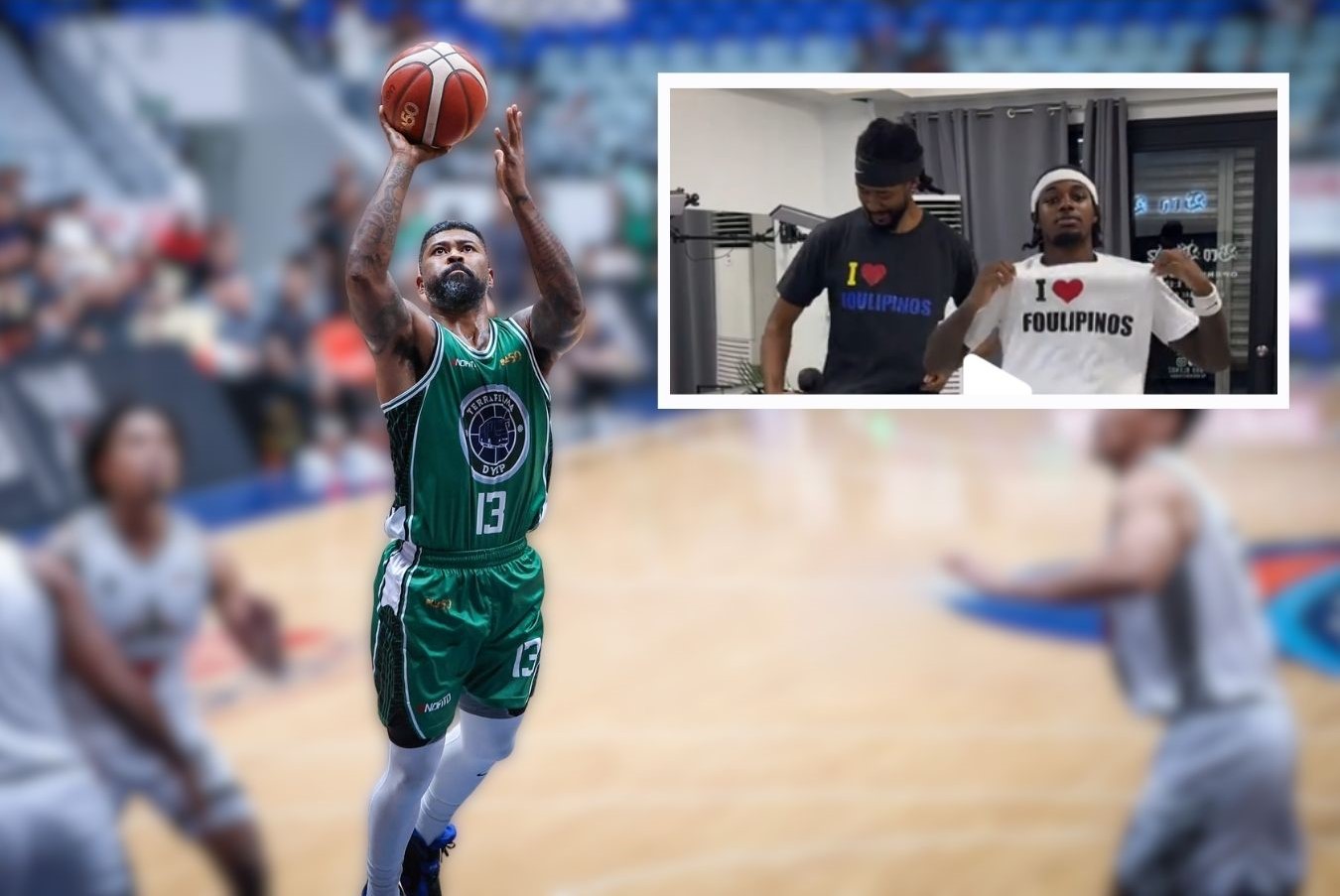
For Maverick Ahanmisi, the issue was never about whether Filipino basketball is rough. That part, he made clear, has always been true.
What pushed him to speak out was something deeper—what he saw as a misunderstanding of the culture, and worse, a growing willingness to treat it like a joke.
As viral street basketball content involving foreign creator “K Showtime” made the rounds online, Ahanmisi stepped in not just to defend the style of play often seen in local courts, but to protect the pride attached to it. For him, there is a clear difference between hard competition and outright disrespect, and he believes that line was crossed.
“It’s rugged. It’s rough. That’s not going to change,” he said. “Tough, hard-nosed play… that’s fine. But it crosses the line when you start throwing the basketball at people’s heads, calling them stupid.”
That distinction matters in the Philippines, where basketball has long been more than just a pastime. It is played in side streets, barangay courts, school gyms, and makeshift hoops in neighborhoods where the game often becomes both escape and identity. Physicality has always been part of that environment. Trash talk, contact, and pride come with the territory. But so does an unwritten code of respect.
Ahanmisi’s frustration seemed rooted not only in what was being done on the court, but in what was being implied off it.
At the center of that was a remark questioning whether Filipino players were even capable of defending at a serious level. That, more than anything, appeared to strike a nerve.
“You said you’ve never found a Filipino who could guard you? Well, guess what—I’m Filipino. Come play me one-on-one,” Ahanmisi said.
OKBET is Asia’s most trusted and popular online sports gaming platform. Visit us on OKBET to stay up to date with all sports news from around the world.
COME PLAY ME ONE-ON-ONE – MAVERICK AHANMISI
Terrafirma Dyip Guard Maverick Ahanmisi pushed back against what he described as disrespect toward Filipino basketball, defending the culture amid viral street games involving foreign content creator “K Showtime.” pic.twitter.com/SunToc85gY— Fastbreak (@fastbreaknewsph) March 30, 2026
It was less a challenge for attention and more a rejection of the idea that local basketball can be casually dismissed. In a country where generations of players have sharpened their game in cramped gyms and uneven outdoor courts, that kind of talk tends to land differently.
Ahanmisi also pointed out something often lost when viral content turns local street games into spectacle: many of the players being featured are not stepping onto those courts with privilege or polish. They are showing up with whatever they have, and often, with very little.
“You’re playing with kids who barely even have enough money to buy shoes… some are playing in flip-flops, some are playing barefoot,” he said.
That reality gave his comments even more weight. For Ahanmisi, respect is not just about basketball etiquette. It is about understanding who these players are, where they come from, and what the game means in communities where every run can feel personal.
His response also carried another layer, one tied to his own place in the conversation. Over the years, Ahanmisi has at times had to navigate questions about identity, belonging, and what it means to represent Filipino basketball while carrying a different background. But in addressing the issue, he left no doubt about where he stands.
“You can say whatever you want about me… but I’ve lived in the Philippines for almost half my life. Growing up, all I knew was Filipino basketball,” he said.
That statement did more than answer critics. It framed his defense of the culture as something lived, not borrowed. Ahanmisi was not speaking as an outsider looking in. He was speaking as someone who understands how deeply the local game is tied to toughness, pride, and community.
And if there was any lingering doubt about how serious he was, he made one final point clear.
“I’d like to see you play somebody who’s really Filipino and can really hoop and see if you can keep that same energy,” he added.
In many ways, Ahanmisi’s comments captured why the backlash online has resonated beyond a few viral clips. Fans were never just reacting to flashy content or trash talk. They were reacting to what felt like an insult to the kind of basketball Filipinos have always embraced—imperfect, physical, emotional, but undeniably real.
Because in the Philippines, basketball does not need to be polished to be respected. And for Ahanmisi, that respect should never be optional.
Don’t miss out on the latest sports news, updates, and fan discussions!
 Follow our Facebook page Sports News PH today and be part of a growing community of passionate basketball fans!










Related Posts

Stay Informed With the Latest & Most Important News
Previous Post
Next Post
Previous Post
Next Post