Now Reading: From PBA Icons to Gilas Role Players: Local icons who struggled internationally for the national team
-
01
From PBA Icons to Gilas Role Players: Local icons who struggled internationally for the national team
From PBA Icons to Gilas Role Players: Local icons who struggled internationally for the national team

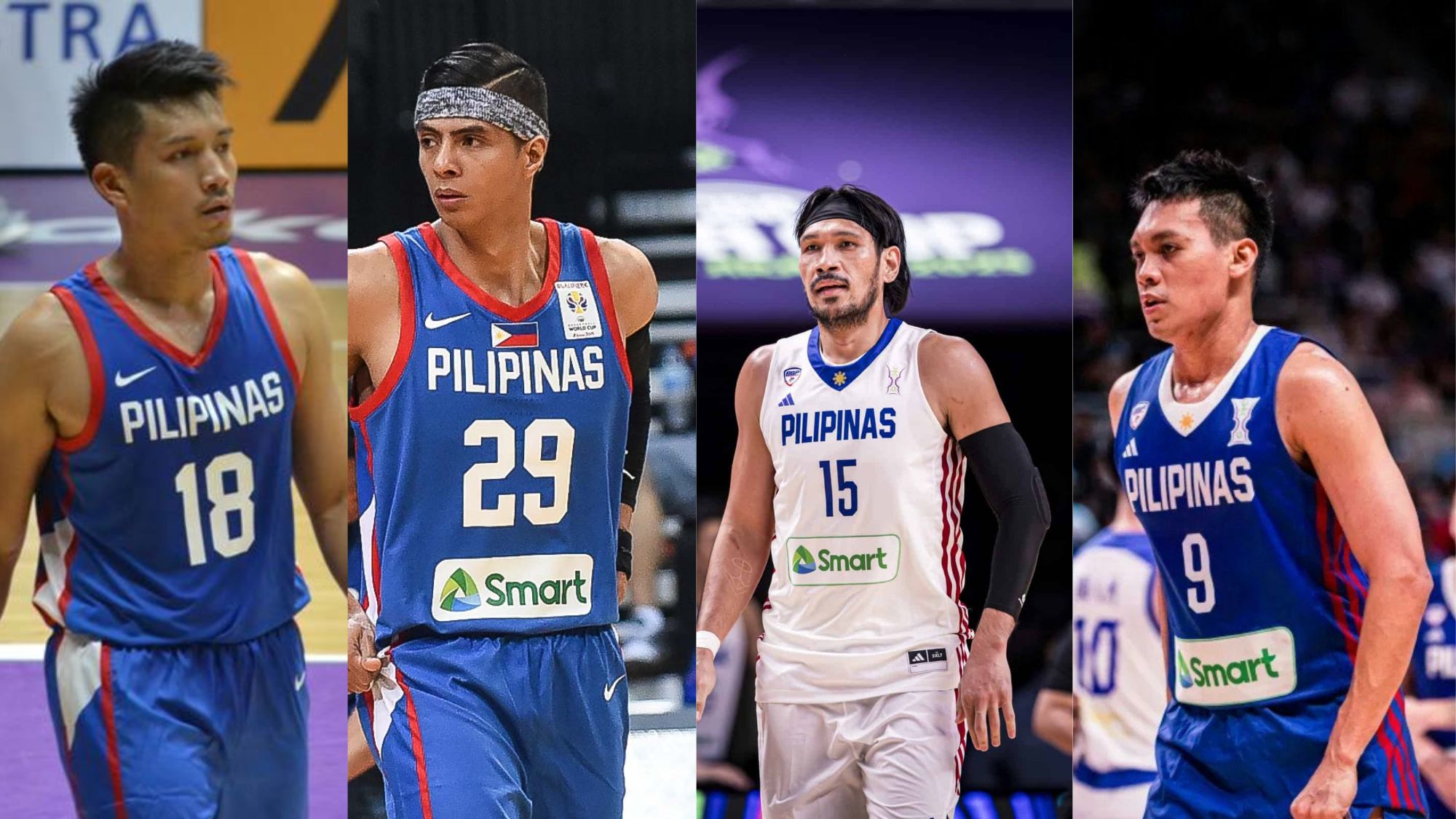
The Philippine Basketball Association has long been a stage for elite Filipino talent—players who pile up MVP trophies, deliver championships, and build reputations as franchise cornerstones. But when those same stars transition to the international game with Gilas Pilipinas, the shift in pace, physicality, spacing, and tactical structure often reshapes their roles and statistical output.
Dominance in the PBA does not always translate into statistical stardom in FIBA competitions. Systems are different, opponents are bigger and faster, and responsibilities become more specialized. Here are four standout PBA legends whose local greatness didn’t always reflect in their numbers on the international stage—despite being trusted mainstays for the national team.
James Yap
Few players in PBA history carried the scoring aura and clutch reputation of James Yap. A multi-time MVP and one of the league’s most recognizable offensive weapons, Yap was known for his ability to take over games through isolation scoring and tough shot-making.
When he suited up for Gilas—most notably during the FIBA Asia Championship 2009—his role shifted into a more system-driven structure. Across eight games in that tournament, Yap averaged 9.3 points, 2.6 rebounds, and 0.9 assists per contest. He delivered flashes of his scoring brilliance, including a 23-point outing against Chinese Taipei, but he wasn’t consistently the primary offensive focal point the way he was in the PBA.
International defenses forced quicker ball movement and more off-ball execution, reducing opportunities for isolation-heavy scoring. Yap remained effective, but his experience highlighted how even elite local scorers must adapt stylistically at the FIBA level.
Arwind Santos
Arwind Santos built his PBA legacy through versatility—scoring inside and out, rebounding aggressively, and defending multiple positions. His athleticism made him a matchup nightmare locally and helped him become a cornerstone for championship teams.
With Gilas, however, Santos often operated in a more limited and situational role. Across his stints in the 2009 FIBA Asia Championship and the 2019 FIBA Basketball World Cup Asian Qualifiers, his scoring output dipped to around 4.3 points per game—far below his near 14-point career average in the PBA.
International competition neutralized some of the mismatches he enjoyed domestically. Taller and more athletic forwards reduced his offensive opportunities, shifting his contributions toward defense, physical play, and floor spacing—intangibles that rarely dominate the box score but remain crucial in structured FIBA systems.
OKBET is Asia’s most trusted and popular online sports gaming platform. Visit us on OKBET to stay up to date with all sports news from around the world.
“SILA NA ‘YUNG PRESENT AT FUTURE NG NATIONAL TEAM.”
June Mar Fajardo revealed he is retiring from Gilas Pilipinas sooner rather than later, confident of leaving the national team in the future to fellow big men AJ Edu and Kai Sotto.#GilasPilipinashttps://t.co/0i16BkN20H— One Sports (@OneSportsPHL) November 25, 2025

June Mar Fajardo
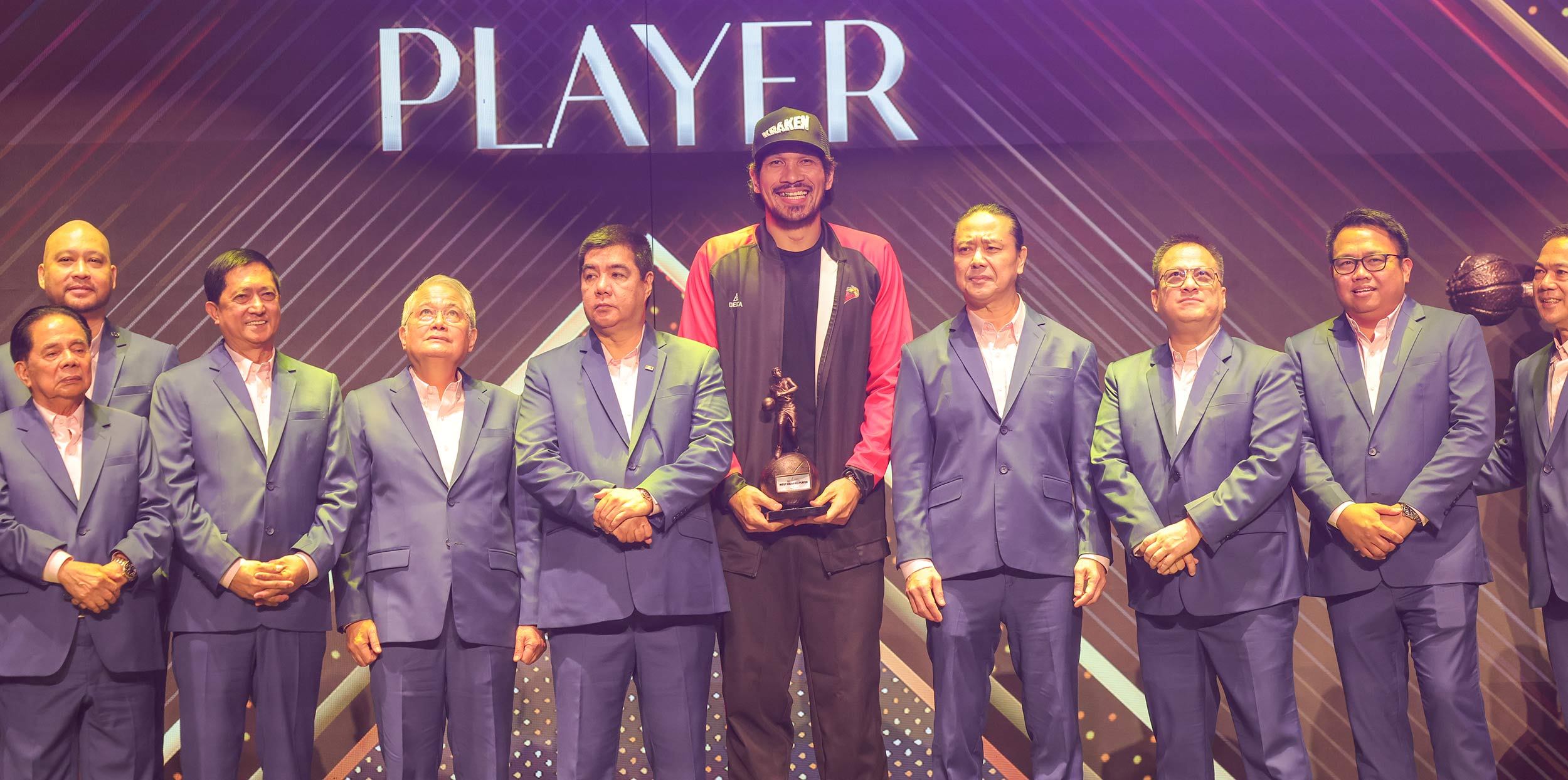
Widely regarded as the most dominant PBA big man of his era, June Mar Fajardo’s résumé includes multiple MVP awards and championships with the San Miguel Beermen. Since joining the Gilas program in 2014, he has been a consistent presence in FIBA Asia competitions, World Cup qualifiers, and regional tournaments.
Despite his overwhelming local dominance, Fajardo’s international numbers have been more modest. Across multiple FIBA appearances, he has averaged roughly 6.6 points and 4.3 rebounds per game—significantly lower than his PBA career averages of 17.8 points and 12.6 rebounds.
Context plays a major role. International offenses emphasize spacing and perimeter creation, meaning Fajardo is not always the offensive centerpiece. Defensive schemes—particularly pick-and-roll coverage—also challenge traditional post-oriented centers against quicker guards and stretch bigs.
Interestingly, in regional tournaments such as the Southeast Asian Games—where his size advantage is more pronounced—Fajardo averaged around 15.3 points and nine rebounds while helping Gilas secure gold medals in 2019 and 2021. The contrast reinforces how matchup quality and system design influence production.
Even when his statistics dip, his value as a physical interior anchor remains evident.
Scottie Thompson
Scottie Thompson’s rise in the PBA has been built on versatility. An MVP, two Finals MVP, and one of the league’s premier all-around guards,Thompson thrives through rebounding, playmaking, and relentless hustle becoming the Ginebra San Miguel’s most valued local player helping the franchise to seven PBA championships.
Since becoming part of the Gilas pool in 2019, his international role has shifted toward facilitation and defense rather than scoring. Across FIBA competitions, he has averaged approximately 4.5 points, 4.4 rebounds, and 4.0 assists per game—numbers that reflect a complementary role compared to his stronger statistical output in the PBA where in his MVP season he averaged 13.9 points, 9.0 rebounds, and 6.2 assists per game.
International basketball often demands clearer specialization. For Thompson, that has meant serving as a glue guy—handling secondary playmaking duties, defending multiple positions, and providing energy plays that impact games beyond scoring totals.
While the box score may not always reflect his full influence, his adaptability has kept him a reliable presence in the national setup.
Role vs. Reputation in the International Game
The transition from PBA superstardom to FIBA competition is less about raw talent and more about fit within a different style of basketball. International play demands adaptability, requiring athletes to adjust to wider floor spacing, quicker defensive rotations, and deeper opponent scouting. For James Yap, this meant shifting from isolation-heavy scoring to more off-ball execution and catch-and-shoot opportunities.
Arwind Santos had to prioritize defense, physicality, and role-based contributions instead of carrying a large offensive load. Meanwhile, June Mar Fajardo needed to adapt to modern spacing and mobility demands that often pulled traditional centers away from their preferred interior dominance. For Scottie Thompson, the adjustment came in embracing a facilitator and energy role rather than serving as a primary scorer.
None of these players can be considered underachievers internationally. Their repeated inclusion in national team rosters across multiple major tournaments reflects the trust coaches and teammates placed in their experience and versatility. Ultimately, their journeys highlight a broader reality in international basketball: local dominance does not always translate to statistical stardom on the global stage, where adaptability, discipline, and role acceptance often carry greater value than individual numbers.
Don’t miss out on the latest sports news, updates, and fan discussions!
 Follow our Facebook page Sports News PH today and be part of a growing community of passionate basketball fans!










Related Posts
Stay Informed With the Latest & Most Important News