- Home
- BasketballDiscover the latest trends, style tips, and fashion news from around the world. From runway highlights to everyday looks, explore everything you need to stay stylish and on-trend.
- Volleyball
- Soccerstay updated with the latest football news, match highlights, scores, player stats, and expert analysis from leagues around the world. Your ultimate destination for all things football.
- BoxingTransform your living spaces with inspiration, tips, and trends in interior design. From minimalist decor to bold statements, find ideas for every style and budget.
- Blogs
- Fixtures & ResultsGet the latest sports fixtures and results, including schedules and scores for NBA, PBA, UAAP, NCAA, and more. Stay informed with real-time updates at Sports News PH.
- Pinoy Sports PulseStay updated with the latest sports news, scores, and analyses from the Philippines. Covering PBA, UAAP, NCAA, and more
- Esports
- Opinion & EditorialExplore an in-depth analysis of recent policy changes and their effects on local communities in our latest editorial.
- Game PredictionsAccess expert game predictions, betting tips, and detailed analyses for NBA, PBA, and international sports events. Stay informed and enhance your game insights with our accurate forecasts.
- OKGamesDiscover unlimited fun at OKgames—a free online gaming platform featuring arcade, strategy, racing, and puzzle games with no downloads required.
- Player ProfileDiscover detailed football player profiles including career stats, biography, position, club history, and recent performances. Everything you need to know about top football talent.
- Stars Beyond Sports
- Home
- BasketballDiscover the latest trends, style tips, and fashion news from around the world. From runway highlights to everyday looks, explore everything you need to stay stylish and on-trend.
- Volleyball
- Soccerstay updated with the latest football news, match highlights, scores, player stats, and expert analysis from leagues around the world. Your ultimate destination for all things football.
- BoxingTransform your living spaces with inspiration, tips, and trends in interior design. From minimalist decor to bold statements, find ideas for every style and budget.
- Blogs
- Fixtures & ResultsGet the latest sports fixtures and results, including schedules and scores for NBA, PBA, UAAP, NCAA, and more. Stay informed with real-time updates at Sports News PH.
- Pinoy Sports PulseStay updated with the latest sports news, scores, and analyses from the Philippines. Covering PBA, UAAP, NCAA, and more
- Esports
- Opinion & EditorialExplore an in-depth analysis of recent policy changes and their effects on local communities in our latest editorial.
- Game PredictionsAccess expert game predictions, betting tips, and detailed analyses for NBA, PBA, and international sports events. Stay informed and enhance your game insights with our accurate forecasts.
- OKGamesDiscover unlimited fun at OKgames—a free online gaming platform featuring arcade, strategy, racing, and puzzle games with no downloads required.
- Player ProfileDiscover detailed football player profiles including career stats, biography, position, club history, and recent performances. Everything you need to know about top football talent.
- Stars Beyond Sports
Now Reading: Alas Pilipinas skipper Jia De Guzman breaks silence on Philippine volleyball draft controversy
-
01
Alas Pilipinas skipper Jia De Guzman breaks silence on Philippine volleyball draft controversy
- Home//
- Basketball//Discover the latest trends, style tips, and fashion news from around the world. From runway highlights to everyday looks, explore everything you need to stay stylish and on-trend.
- Volleyball//
- Soccer//stay updated with the latest football news, match highlights, scores, player stats, and expert analysis from leagues around the world. Your ultimate destination for all things football.
- Boxing//Transform your living spaces with inspiration, tips, and trends in interior design. From minimalist decor to bold statements, find ideas for every style and budget.
- Blogs//
- Fixtures & Results//Get the latest sports fixtures and results, including schedules and scores for NBA, PBA, UAAP, NCAA, and more. Stay informed with real-time updates at Sports News PH.
- Pinoy Sports Pulse//Stay updated with the latest sports news, scores, and analyses from the Philippines. Covering PBA, UAAP, NCAA, and more
- Esports//
- Opinion & Editorial//Explore an in-depth analysis of recent policy changes and their effects on local communities in our latest editorial.
- Game Predictions//Access expert game predictions, betting tips, and detailed analyses for NBA, PBA, and international sports events. Stay informed and enhance your game insights with our accurate forecasts.
- OKGames//Discover unlimited fun at OKgames—a free online gaming platform featuring arcade, strategy, racing, and puzzle games with no downloads required.
- Player Profile//Discover detailed football player profiles including career stats, biography, position, club history, and recent performances. Everything you need to know about top football talent.
- Stars Beyond Sports//
- Home
- Volleyball
- Alas Pilipinas skipper Jia De Guzman breaks silence on Philippine volleyball draft controversy
Alas Pilipinas skipper Jia De Guzman breaks silence on Philippine volleyball draft controversy

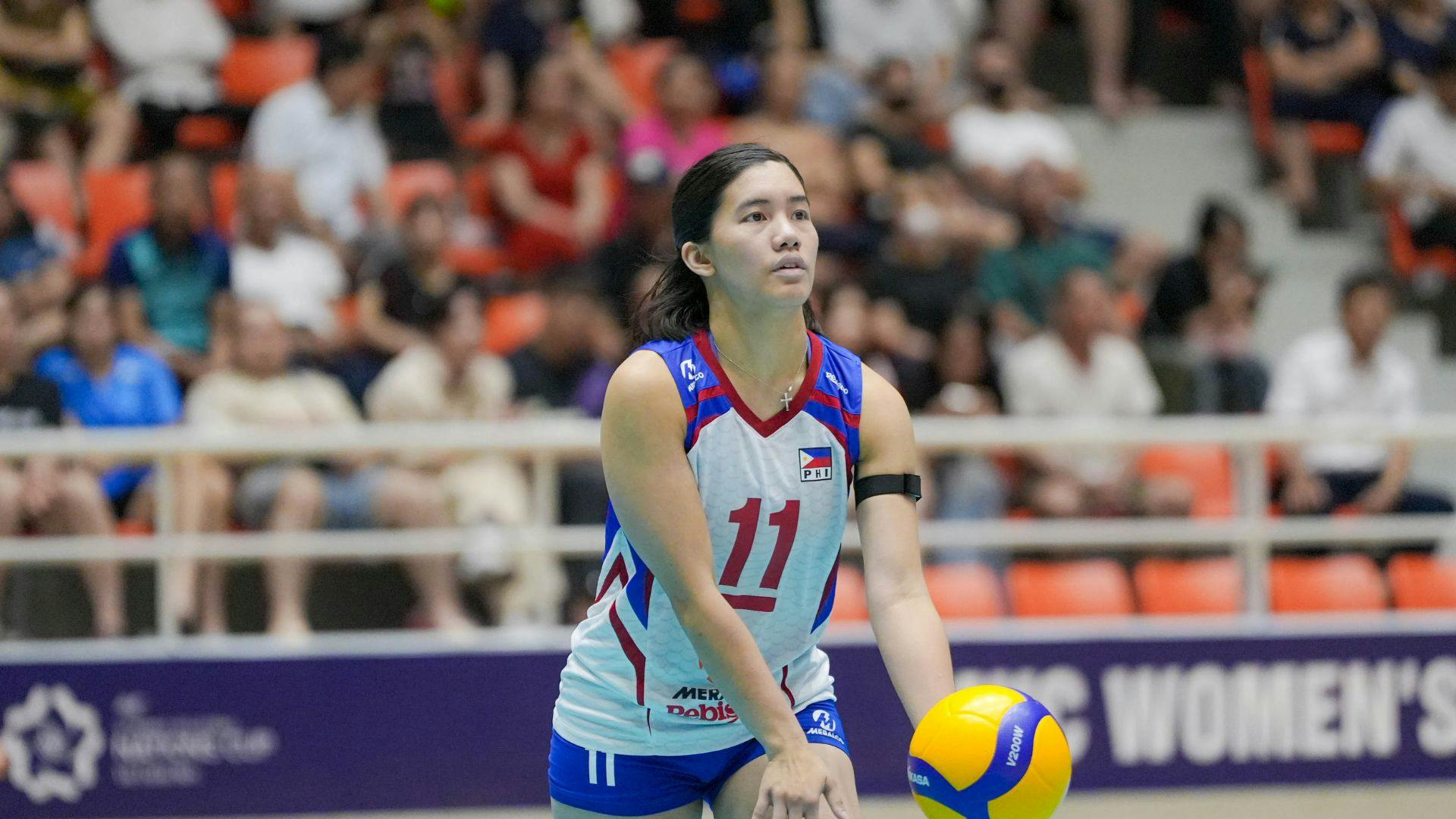
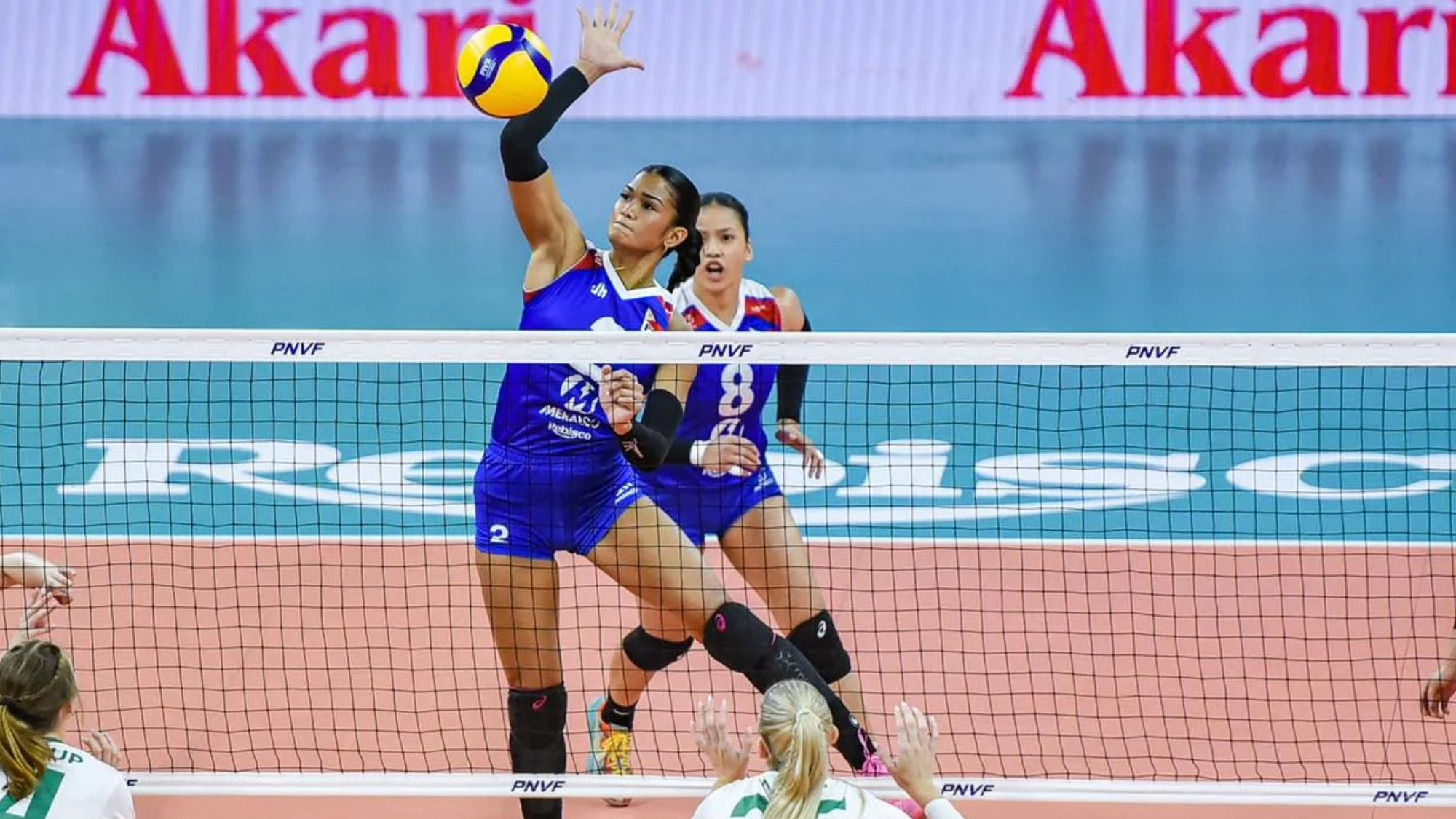
Philippine volleyball is currently facing a period of intense scrutiny, as controversies surrounding athlete welfare and program structure continue to dominate headlines. At the center of the debate is the proposed draft system for the Alas Pilipinas Women, which has sparked widespread discussion across the volleyball community.
The proposed system reportedly requires invited players to commit exclusively to the national team pool, a provision that has raised serious questions about athlete autonomy and long-term career planning. Many players and stakeholders have voiced concern that such a policy may force athletes into difficult decisions, potentially compromising their professional opportunities in domestic leagues.
The situation has been further complicated by lingering issues regarding alleged unpaid bonuses to former head coach Jorge de Brito, adding another layer of tension to an already sensitive matter. These financial disputes, combined with structural concerns in the federation, have fueled criticism from fans, former athletes, and industry insiders alike.
OKBET is Asia’s most trusted and popular online sports gaming platform. Visit us on OKBET to stay up to date with all sports news from around the world.
Amid the controversy, Jia De Guzman, captain and star player of Alas Pilipinas, spoke out in a series of Instagram posts, sharing her thoughts after taking time to “step back and process everything before speaking.”
“Representing the country has always meant a lot to me, and I know that pride is shared by so many athletes—but more than that, it’s something we have a responsibility to protect and build for generations that come after us,” De Guzman wrote.
The 30-year-old superstar addressed key concerns about the draft system and the overall environment for national team athletes, emphasizing the need for support and balance.
“At the same time, I believe athletes should be in an environment where they can continue to grow, compete, and be supported—without being put in a position where they have to choose between the national team and their careers in the league. That part I don’t really understand. But again, despite this, we also remain open to dialogue. We just hope that it is formal, meaningful, and talaga with a genuine desire to address the needs of the athlete,” she said.
JUST IN: Alas Pilipinas captain Jia de Guzman breaks her silence on the issues concerning the national team.
In a series of Instagram Stories, de Guzman aired her side after “stepping back and processing everything before speaking.” (📸: juliacmorado/Instagram) | via… pic.twitter.com/833eXe06D3— ABS-CBN News (@ABSCBNNews) March 19, 2026
De Guzman also highlighted broader issues in Philippine volleyball, noting that athlete welfare extends beyond financial compensation. She outlined three areas that require urgent attention:
- Comprehensive athlete welfare: “It’s not just compensation, but development, preparation, and long-term sustainability.”
- Structured and meaningful competition: “It’s not just about the volume of games that we play, but the right kind of exposure at the right time, ensuring athletes have the opportunity to grow without being overworked.”
- Alignment between the federation and local leagues: “There needs to be coordination so that competition, training, and recovery are properly balanced, creating a sustainable ecosystem for athletes at every level.”
Her comments shed light on the complexity of managing national teams in a developing volleyball landscape, where professional, developmental, and international priorities must all be carefully balanced.
The Philippine National Volleyball Federation, led by Tony Boy Liao, has acknowledged the concerns and expressed its commitment to listening and evolving.
“The Philippine National Volleyball Federation (PNVF) acknowledges the sentiments and concerns shared by our volleyball community, including those surrounding the Alas Draft and athlete welfare. As the sport’s governing body, we remain committed to building a sustainable, inclusive, and athlete-centered path forward,” the federation said in a statement.
As tensions continue, stakeholders are watching closely to see what concrete steps the federation will take to address these issues. While policy adjustments may be necessary, De Guzman’s comments underscore the broader need for open communication, transparency, and collaboration between players, coaches, leagues, and governing bodies.
For Philippine volleyball to progress sustainably, the community agrees that reforms cannot focus solely on rules and regulations. Instead, meaningful change will require shared responsibility, thoughtful planning, and a commitment to placing athlete welfare at the forefront—ensuring that the pride of representing the country does not come at the expense of players’ careers or well-being.
With the upcoming international competitions and domestic league schedules looming, the decisions made in the coming months could have lasting implications for the sport and its athletes, shaping the future of volleyball in the Philippines for years to come.
👉 Don’t miss out on the latest sports news, updates, and fan discussions!
📌 Follow our Facebook page Sports News PH today and join the community of passionate sports fans.










Related Posts


Stay Informed With the Latest & Most Important News
Previous Post
Next Post
Previous Post
Next Post