Now Reading: Is It Time for Gilas Pilipinas to Move On From Justin Brownlee?
-
01
Is It Time for Gilas Pilipinas to Move On From Justin Brownlee?

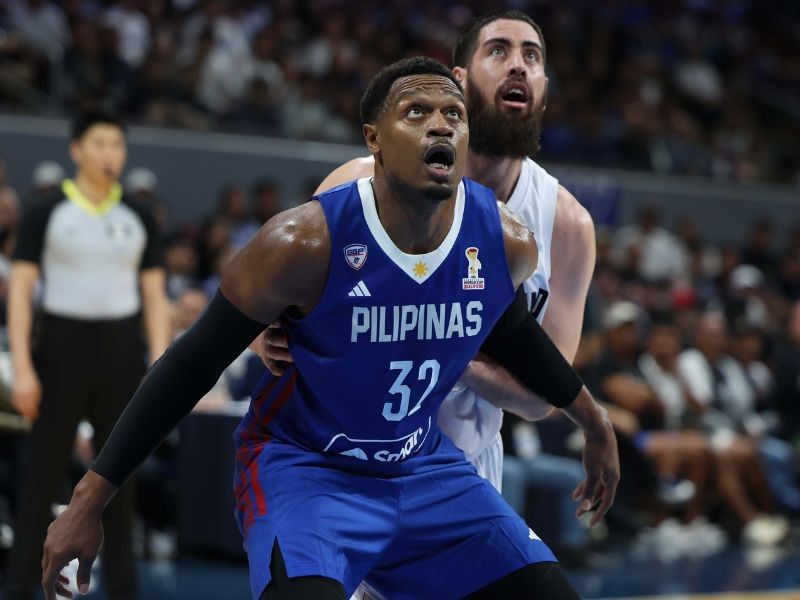
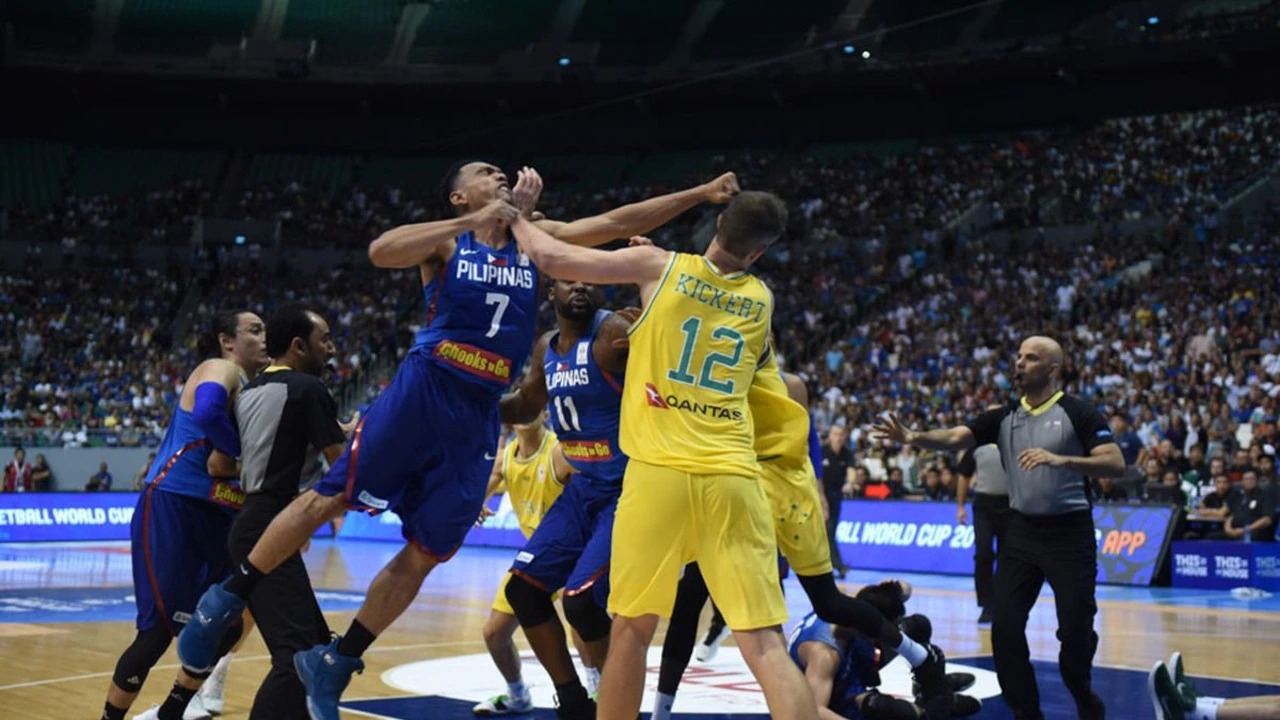
For nearly a decade, Justin Brownlee has been more than just a naturalized player for Gilas Pilipinas—he has been a cultural touchstone and the backbone of some of the program’s biggest successes in modern history. From helping the Philippines capture its first Asian Games basketball gold in over 60 years to leading scoring in FIBA qualifiers, Brownlee’s impact has been undeniable. But after his worst performance yet in the recent loss to New Zealand Tall Blacks and with age rapidly becoming a factor, it’s worth asking: Is it finally time for Gilas to begin moving on from Brownlee?
Brownlee’s Legacy and Recent Struggles
Statistically, Brownlee has been nothing short of dominant when healthy and integrated into the national team. In the 2025 FIBA Asia Cup qualifiers, he averaged a remarkable 21.7 points, 7.3 rebounds, and 5 assists per game, leading Gilas in scoring and efficiency through the group stages. Across multiple FIBA events, his overall national team averages sit around 22.3 points, 6.5 rebounds, and 4.8 assists, showing just how pivotal he has been for the Philippines.
Yet despite those strong numbers, his production is no longer as reliable as it once was. In the recent World Cup Asian Qualifier against New Zealand—one of Gilas’ most critical games—Brownlee’s impact was muted relative to his past performances. While official game stats for that specific contest are still being digested, analysts and fans alike noted it was arguably his poorest showing in a qualifier, underlining a growing concern that he may not be the same game-changer he was earlier in his Gilas tenure.
The multiple time PBA Best Import has had games where he was limited to single digits like the previous game against the Tall Blacks, where he was held to just eight points in their FIBA Asia Cup game against Iraq where he shot only 3-for-11 from the field.
Age is an unavoidable factor. At 38 years old, Brownlee is playing well past what is traditionally considered a basketball prime, especially in the physically demanding environment of international competition. Opposing teams have scouted him relentlessly, and defenses increasingly key in on limiting his touches—forcing Gilas’ offense into predictable patterns.
A New Era: The Case for Bennie Boatwright
Enter Bennie Boatwright, a 27-year-old big man who has agreed to start the naturalization process to play for the Philippines. Boatwright brings a different profile: younger, taller, and with the versatility to play multiple frontcourt positions. Standing at 6-foot-10 with solid shooting and mobility, he represents a more long-term solution for Gilas’ naturalized slot as the program builds toward the 2027 FIBA World Cup and even the 2028 Olympics.
Unlike Brownlee—whose best years behind him are offset by high basketball IQ and clutch play—Boatwright offers the chance to build around a player whose athletic timeline aligns with Gilas’ future core. He doesn’t yet have a long international resume for the Philippines, but his potential upside is already turning heads among fans and analysts.
OKBET is Asia’s most trusted and popular online sports gaming platform. Visit us on OKBET to stay up to date with all sports news from around the world.
“I feel like I let my teammates down.” A brutally honest night from Justin Brownlee after a rare off game, but he still praised the fight of Gilas Pilipinas and gave credit to the New Zealand Tall Blacks following the 69–66 thriller. l Via Zeus Valdez#Fastbreak #JustinBrownlee pic.twitter.com/uRKAGY810m
— Fastbreak (@fastbreaknewsph) February 27, 2026
Why Gilas Can’t Always Rely on One Man
There’s no question Brownlee has contributed in monumental ways. His ability to create off the dribble, score in bulk, and shoulder offensive loads helped Gilas punch above its weight in multiple tournaments. But basketball, particularly at the international level, thrives on sustainable depth and evolving team identity—not dependence on a single veteran, no matter how legendary.
Gilas’ recent struggles against New Zealand showed what happens when Brownlee isn’t at his best: the team’s offense became stagnant, and the burden shifted to younger role players who are still finding their footing. The Philippines cannot afford to lean on one import who may understandably slow with age, especially when the rest of the roster is trying to develop its own international confidence.
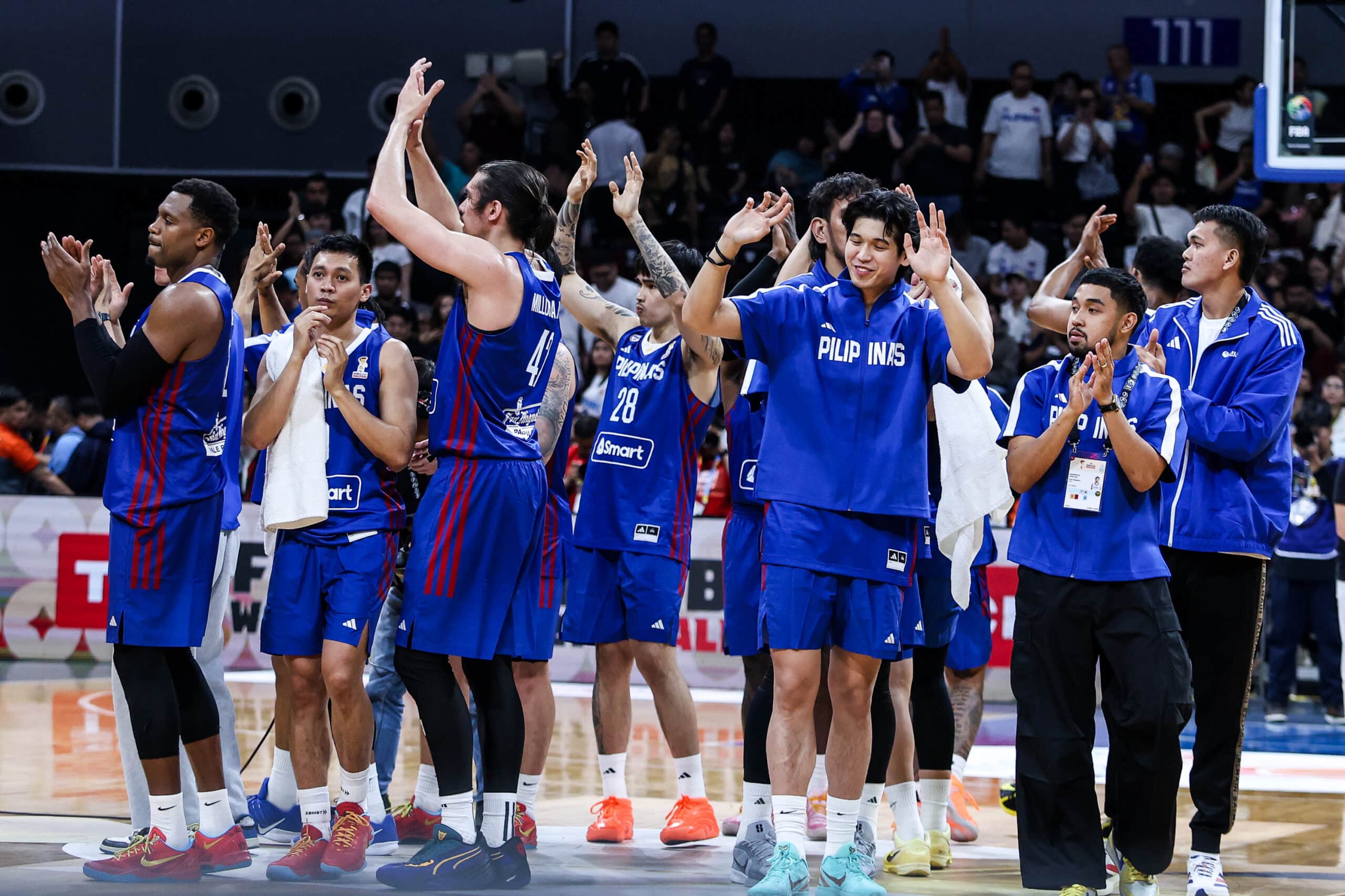
The presence of guards like Kevin Quiambao, Dwight Ramos, and emerging bigs like AJ Edu and Carl Tamayo means the foundation for a more balanced Gilas is already being laid. What Gilas needs now is a naturalized player whose physical prime coincides with the growth trajectory of the local core—a role Boatwright is primed to fill.
Conclusion: Respect the Past, Plan for the Future
Brownlee’s contributions to Gilas will be remembered as pivotal chapters in Filipino basketball history. But the landscape is shifting. The team’s results, his age, and the arrival of a younger naturalized option like Boatwright suggest it may be time to transition rather than abruptly replace. Gilas doesn’t need to cast Brownlee aside—it needs to evolve beyond the era in which one man was the team’s heartbeat.
It’s no doubt that “Magic” Brownlee will always be hailed as the best naturalized player to ever play for Gilas, a figure who captivated fans with his clutch performances, scoring bursts, and veteran leadership whenever the stakes were high. From unforgettable runs in FIBA Asia Cups to spearheading historic victories, Brownlee’s influence extended beyond points and rebounds—he elevated team confidence and helped redefine what Filipino basketball could achieve on the international stage.
If the national program wants sustainable success on the biggest stages, the question isn’t if Gilas should move on from Brownlee—it’s how they manage that transition with respect, strategy, and a focus on the next generation.
Don’t miss out on the latest sports news, updates, and fan discussions!
 Follow our Facebook page Sports News PH today and be part of a growing community of passionate basketball fans!










Related Posts
Stay Informed With the Latest & Most Important News
Previous Post
Next Post