Now Reading: Alex Eala’s Rise Is Inspiring — But Can Philippine Tennis Truly Grow Beyond the Elite?
-
01
Alex Eala’s Rise Is Inspiring — But Can Philippine Tennis Truly Grow Beyond the Elite?
Alex Eala’s Rise Is Inspiring — But Can Philippine Tennis Truly Grow Beyond the Elite?

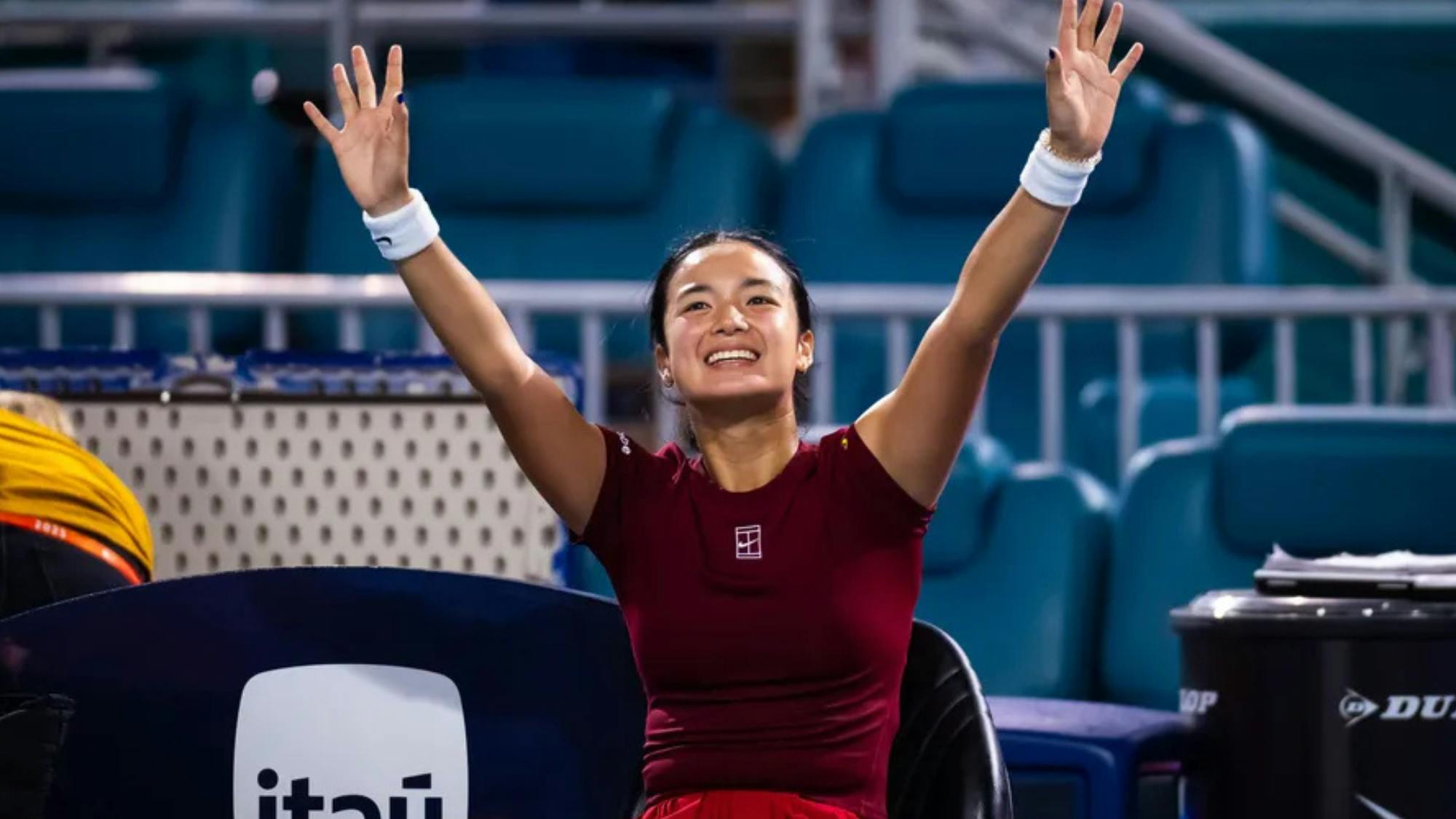
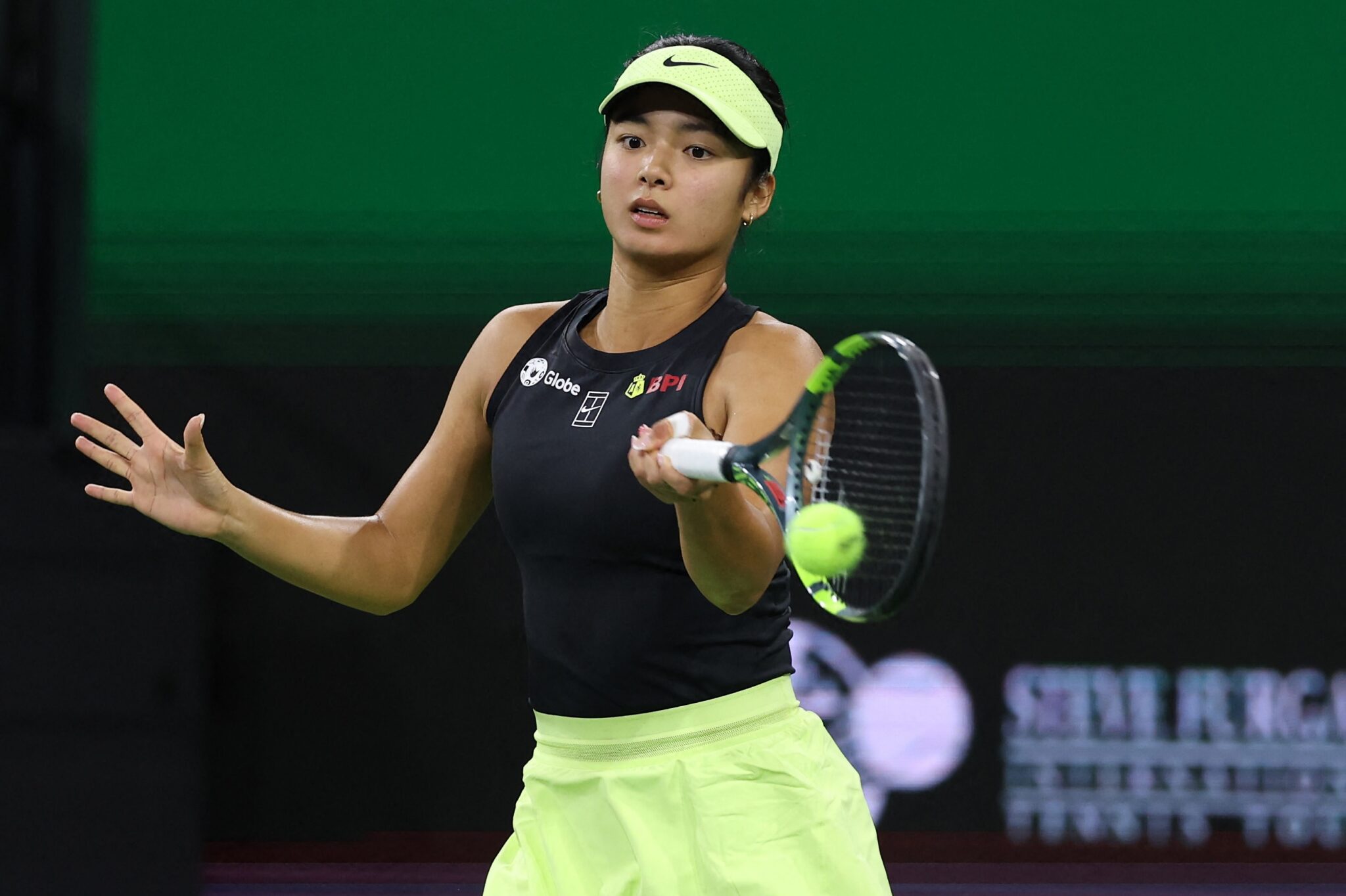
Alex Eala’s ascent in the WTA rankings has done more than win matches — it has shifted belief.
For the first time in years, Filipino tennis is part of the mainstream sports conversation. Her victories over top players, her Grand Slam appearances, and her climb into the world’s top 50 have given young athletes something rare: a visible, tangible example that a Filipino can belong on tennis’ biggest stages.
But inspiration, while powerful, does not automatically translate to accessibility.
The uncomfortable truth is this: tennis in the Philippines has long been a sport shaped by privilege.
Unlike basketball — where a ball and a public court are enough to start a dream — tennis demands infrastructure. Courts are not as widely available, and many are located inside private subdivisions or exclusive clubs. Even where public courts exist, maintenance can be inconsistent. Renting a court alone can cost hundreds to over a thousand pesos per hour in private facilities.
Then comes equipment. A quality racket can cost anywhere from ₱5,000 to ₱15,000 or more. Strings need regular replacement. Shoes designed for hard courts are not cheap. Add coaching fees, which can range from ₱800 to ₱2,000 per session depending on the level, and the financial commitment becomes daunting.
For an average Filipino family, sustaining this over months — let alone years — is a serious burden.
And that is only the beginning.
To realistically pursue a professional career, a player must compete internationally. Ranking points are earned abroad. Exposure comes from facing foreign competition. Travel expenses — flights, accommodations, visas, coaching staff — can quickly balloon into millions of pesos annually. Strength and conditioning programs, physiotherapy, and sports science support add another layer of cost.
OKBET is Asia’s most trusted and popular online sports gaming platform. Visit us on OKBET to stay up to date with all sports news from around the world.
PROUD ATE ALEX
WATCH: Filipino tennis star Alex Eala shares how proud she is of the performance of wildcards Elizabeth Abarquez and Tenny Madis despite their early exit in #WTA125Manila.
“They showed out, they gave their best. It’s really hard the first time competing at this… pic.twitter.com/n2odDJwmpp— NewsWatch Plus PH (@newswatchplusph) January 27, 2026
Without strong sponsorship or federation backing, even the most talented prospects often hit a financial ceiling.
It is also important to clarify something often overlooked in the celebration of Eala’s success: she is not a purely homegrown product of the local tennis system.
While she represents the Philippines with pride, much of her development happened overseas. Training at the Rafa Nadal Academy in Spain gave her access to elite facilities, high-level competition, and a structured pathway designed to produce world-class players. That kind of opportunity — relocating abroad for long-term development — is financially unattainable for most Filipino families.
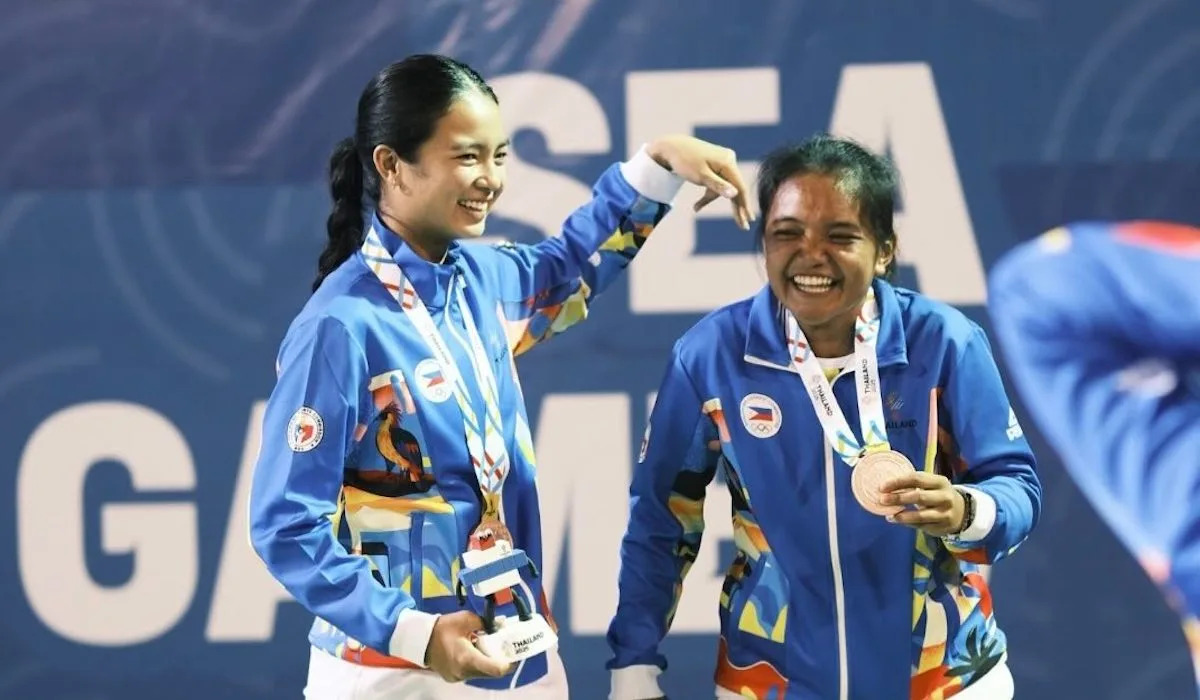
Meanwhile, players such as Tenny Madis and the Filipinas who competed in the Philippine Women’s Open represent a different journey. They honed their skills largely within local conditions — navigating fewer tournaments, limited funding, and less consistent exposure to top-tier international opponents. Their paths required immense grit, but also highlight the structural limitations within Philippine tennis.
This contrast does not diminish Eala’s achievements. If anything, it underscores the scale of investment required to reach her level.
So the real question becomes: what happens next?
Will Alex Eala’s popularity remain a feel-good story, or will it serve as a catalyst for structural change?
If the country truly wants to ride this wave, the focus must go beyond celebration. Grassroots programs must expand. Public courts need improvement and accessibility. Scholarship systems for promising players should be strengthened. Corporate sponsors — who have rallied behind other sports — could play a critical role in making tennis development sustainable.
Because right now, tennis in the Philippines often feels like a sport where talent alone is not enough — financial capacity is just as crucial.
Alex Eala has proven that Filipinos can compete with the world’s best. The challenge now is ensuring that the next generation doesn’t need extraordinary financial means just to try.
Don’t miss out on the latest sports news, updates, and fan discussions!
 Follow our Facebook page Sports News PH today and be part of a growing community of passionate basketball fans!










Related Posts

Stay Informed With the Latest & Most Important News