- Home
- BasketballDiscover the latest trends, style tips, and fashion news from around the world. From runway highlights to everyday looks, explore everything you need to stay stylish and on-trend.
- Volleyball
- Soccerstay updated with the latest football news, match highlights, scores, player stats, and expert analysis from leagues around the world. Your ultimate destination for all things football.
- BoxingTransform your living spaces with inspiration, tips, and trends in interior design. From minimalist decor to bold statements, find ideas for every style and budget.
- Blogs
- Fixtures & ResultsGet the latest sports fixtures and results, including schedules and scores for NBA, PBA, UAAP, NCAA, and more. Stay informed with real-time updates at Sports News PH.
- Pinoy Sports PulseStay updated with the latest sports news, scores, and analyses from the Philippines. Covering PBA, UAAP, NCAA, and more
- Esports
- Opinion & EditorialExplore an in-depth analysis of recent policy changes and their effects on local communities in our latest editorial.
- Game PredictionsAccess expert game predictions, betting tips, and detailed analyses for NBA, PBA, and international sports events. Stay informed and enhance your game insights with our accurate forecasts.
- OKGamesDiscover unlimited fun at OKgames—a free online gaming platform featuring arcade, strategy, racing, and puzzle games with no downloads required.
- Player ProfileDiscover detailed football player profiles including career stats, biography, position, club history, and recent performances. Everything you need to know about top football talent.
- Stars Beyond Sports
- Home
- BasketballDiscover the latest trends, style tips, and fashion news from around the world. From runway highlights to everyday looks, explore everything you need to stay stylish and on-trend.
- Volleyball
- Soccerstay updated with the latest football news, match highlights, scores, player stats, and expert analysis from leagues around the world. Your ultimate destination for all things football.
- BoxingTransform your living spaces with inspiration, tips, and trends in interior design. From minimalist decor to bold statements, find ideas for every style and budget.
- Blogs
- Fixtures & ResultsGet the latest sports fixtures and results, including schedules and scores for NBA, PBA, UAAP, NCAA, and more. Stay informed with real-time updates at Sports News PH.
- Pinoy Sports PulseStay updated with the latest sports news, scores, and analyses from the Philippines. Covering PBA, UAAP, NCAA, and more
- Esports
- Opinion & EditorialExplore an in-depth analysis of recent policy changes and their effects on local communities in our latest editorial.
- Game PredictionsAccess expert game predictions, betting tips, and detailed analyses for NBA, PBA, and international sports events. Stay informed and enhance your game insights with our accurate forecasts.
- OKGamesDiscover unlimited fun at OKgames—a free online gaming platform featuring arcade, strategy, racing, and puzzle games with no downloads required.
- Player ProfileDiscover detailed football player profiles including career stats, biography, position, club history, and recent performances. Everything you need to know about top football talent.
- Stars Beyond Sports
Now Reading: Tim Hardaway criticizes LeBron James’ stance on load management in modern NBA
-
01
Tim Hardaway criticizes LeBron James’ stance on load management in modern NBA
- Home//
- Basketball//Discover the latest trends, style tips, and fashion news from around the world. From runway highlights to everyday looks, explore everything you need to stay stylish and on-trend.
- Volleyball//
- Soccer//stay updated with the latest football news, match highlights, scores, player stats, and expert analysis from leagues around the world. Your ultimate destination for all things football.
- Boxing//Transform your living spaces with inspiration, tips, and trends in interior design. From minimalist decor to bold statements, find ideas for every style and budget.
- Blogs//
- Fixtures & Results//Get the latest sports fixtures and results, including schedules and scores for NBA, PBA, UAAP, NCAA, and more. Stay informed with real-time updates at Sports News PH.
- Pinoy Sports Pulse//Stay updated with the latest sports news, scores, and analyses from the Philippines. Covering PBA, UAAP, NCAA, and more
- Esports//
- Opinion & Editorial//Explore an in-depth analysis of recent policy changes and their effects on local communities in our latest editorial.
- Game Predictions//Access expert game predictions, betting tips, and detailed analyses for NBA, PBA, and international sports events. Stay informed and enhance your game insights with our accurate forecasts.
- OKGames//Discover unlimited fun at OKgames—a free online gaming platform featuring arcade, strategy, racing, and puzzle games with no downloads required.
- Player Profile//Discover detailed football player profiles including career stats, biography, position, club history, and recent performances. Everything you need to know about top football talent.
- Stars Beyond Sports//
- Home
- Basketball
- Tim Hardaway criticizes LeBron James’ stance on load management in modern NBA
Tim Hardaway criticizes LeBron James’ stance on load management in modern NBA

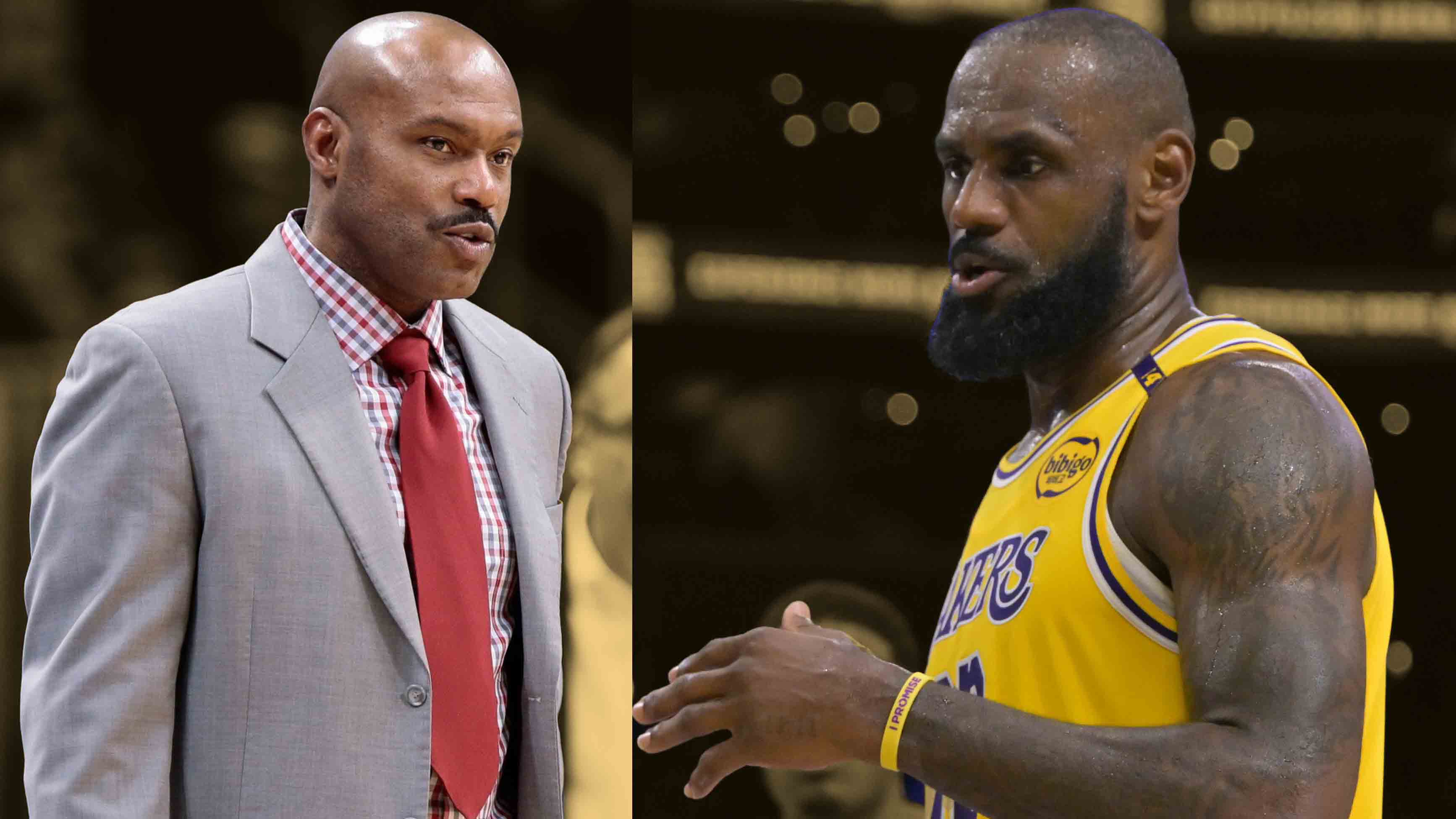
The National Basketball Association (NBA) has long been regarded as the gold standard of professional basketball, serving as the ultimate destination for players seeking to compete at the highest level while achieving global recognition, influence, and financial success. Over the decades, the league’s identity has been shaped by its superstars—transcendent talents whose dominance on the court elevated the NBA into a worldwide cultural phenomenon.
From the 1990s through the early 2000s, the league was largely defined by an isolation-heavy brand of basketball. Teams leaned heavily on elite scorers to create offense in half-court settings, often clearing out space and allowing their stars to go to work one-on-one. Legends such as Michael Jordan, Kobe Bryant, Tracy McGrady, Allen Iverson, and later LeBron James, Kevin Durant, and James Harden thrived in systems that prioritized individual shot creation, physical toughness, and midrange mastery. The pace of play was slower, defensive schemes were more compact, and the paint was frequently congested, forcing scorers to absorb contact and fight through traffic on nearly every possession.
In contrast, today’s NBA has undergone a dramatic stylistic transformation. The modern game is built around spacing, speed, and efficiency, with teams emphasizing three-point shooting, rapid ball movement, and transition offense. Advances in analytics have reshaped offensive philosophies, while rule changes have further encouraged perimeter play and freedom of movement. The result is a faster, more fluid, and often more explosive product—one that places a premium on conditioning, versatility, and constant motion.
OKBET is Asia’s most trusted and popular online sports gaming platform. Visit us on OKBET to stay up to date with all sports news from around the world.
However, this evolution has also sparked growing debate about player health and durability. With increased pace, more possessions, and greater physical demands placed on players across all positions, injuries and load management have become central issues in today’s NBA landscape.
LeBron James, widely considered one of the most durable and long-lasting superstars in league history, recently weighed in on the discussion, offering a candid assessment of the differences between past and present eras. The four-time NBA champion urged fans to recognize that playing an 82-game season in the 1980s or 1990s is not the same as doing so in the 2020s. According to James, the modern game’s pace, spacing, and physical demands have significantly intensified, contributing to the rise in injuries and the need for strategic rest.
Not everyone, however, agrees with that perspective.
Miami Heat legend Tim Hardaway strongly pushed back against James’ comments during a recent appearance on the Crossover Podcast, calling out what he views as a mindset issue among today’s stars. The 59-year-old former All-Star suggested that modern players are mentally preparing themselves to miss games even before the season begins—something he claims was unthinkable during his era.
Happy Birthday to Tim Hardaway (51). Appreciation: Tim Bug’s signature move: The Crossover pic.twitter.com/ABK51VBbAM
— NBA History (@NBAHistory) September 1, 2017
Hardaway argued that players in previous generations approached the schedule differently, focusing on competing every night rather than planning rest days. He questioned the logic of modern training regimens and public-facing workouts if players are unwilling to push through a full season, insisting that most stars are physically capable of playing all 82 games if they truly wanted to.
While Hardaway’s remarks were blunt and unapologetic, they reflect a broader generational divide that continues to shape NBA discourse. On one side are current players and medical experts who emphasize performance optimization, injury prevention, and career longevity. On the other are former players who believe durability, availability, and nightly competitiveness are fundamental responsibilities of superstardom.
As the league continues to evolve, the NBA faces the complex challenge of balancing entertainment value with player welfare. The fast-paced, three-point-heavy style has helped the game grow globally and captivate new audiences, but it has also intensified scrutiny around injuries, rest policies, and the meaning of durability in the modern era.
With stars, executives, and fans all weighing in, the debate over workload and longevity shows no signs of slowing down—serving as yet another reminder that the NBA, like the game itself, is constantly adapting to the times.
👉 Don’t miss out on the latest sports news, updates, and fan discussions!
📌 Follow our Facebook page Sports News PH today and join the community of passionate sports fans.










Related Posts
Stay Informed With the Latest & Most Important News
Previous Post
Next Post
Previous Post
Next Post