- Home
- BasketballDiscover the latest trends, style tips, and fashion news from around the world. From runway highlights to everyday looks, explore everything you need to stay stylish and on-trend.
- Volleyball
- Soccerstay updated with the latest football news, match highlights, scores, player stats, and expert analysis from leagues around the world. Your ultimate destination for all things football.
- BoxingTransform your living spaces with inspiration, tips, and trends in interior design. From minimalist decor to bold statements, find ideas for every style and budget.
- Blogs
- Fixtures & ResultsGet the latest sports fixtures and results, including schedules and scores for NBA, PBA, UAAP, NCAA, and more. Stay informed with real-time updates at Sports News PH.
- Pinoy Sports PulseStay updated with the latest sports news, scores, and analyses from the Philippines. Covering PBA, UAAP, NCAA, and more
- Esports
- Opinion & EditorialExplore an in-depth analysis of recent policy changes and their effects on local communities in our latest editorial.
- Game PredictionsAccess expert game predictions, betting tips, and detailed analyses for NBA, PBA, and international sports events. Stay informed and enhance your game insights with our accurate forecasts.
- OKGamesDiscover unlimited fun at OKgames—a free online gaming platform featuring arcade, strategy, racing, and puzzle games with no downloads required.
- Player ProfileDiscover detailed football player profiles including career stats, biography, position, club history, and recent performances. Everything you need to know about top football talent.
- Stars Beyond Sports
- Home
- BasketballDiscover the latest trends, style tips, and fashion news from around the world. From runway highlights to everyday looks, explore everything you need to stay stylish and on-trend.
- Volleyball
- Soccerstay updated with the latest football news, match highlights, scores, player stats, and expert analysis from leagues around the world. Your ultimate destination for all things football.
- BoxingTransform your living spaces with inspiration, tips, and trends in interior design. From minimalist decor to bold statements, find ideas for every style and budget.
- Blogs
- Fixtures & ResultsGet the latest sports fixtures and results, including schedules and scores for NBA, PBA, UAAP, NCAA, and more. Stay informed with real-time updates at Sports News PH.
- Pinoy Sports PulseStay updated with the latest sports news, scores, and analyses from the Philippines. Covering PBA, UAAP, NCAA, and more
- Esports
- Opinion & EditorialExplore an in-depth analysis of recent policy changes and their effects on local communities in our latest editorial.
- Game PredictionsAccess expert game predictions, betting tips, and detailed analyses for NBA, PBA, and international sports events. Stay informed and enhance your game insights with our accurate forecasts.
- OKGamesDiscover unlimited fun at OKgames—a free online gaming platform featuring arcade, strategy, racing, and puzzle games with no downloads required.
- Player ProfileDiscover detailed football player profiles including career stats, biography, position, club history, and recent performances. Everything you need to know about top football talent.
- Stars Beyond Sports
Now Reading: PFF holds futsal clinic in Rizal to build on historic FIFA Women’s World Cup hosting
-
01
PFF holds futsal clinic in Rizal to build on historic FIFA Women’s World Cup hosting
- Home//
- Basketball//Discover the latest trends, style tips, and fashion news from around the world. From runway highlights to everyday looks, explore everything you need to stay stylish and on-trend.
- Volleyball//
- Soccer//stay updated with the latest football news, match highlights, scores, player stats, and expert analysis from leagues around the world. Your ultimate destination for all things football.
- Boxing//Transform your living spaces with inspiration, tips, and trends in interior design. From minimalist decor to bold statements, find ideas for every style and budget.
- Blogs//
- Fixtures & Results//Get the latest sports fixtures and results, including schedules and scores for NBA, PBA, UAAP, NCAA, and more. Stay informed with real-time updates at Sports News PH.
- Pinoy Sports Pulse//Stay updated with the latest sports news, scores, and analyses from the Philippines. Covering PBA, UAAP, NCAA, and more
- Esports//
- Opinion & Editorial//Explore an in-depth analysis of recent policy changes and their effects on local communities in our latest editorial.
- Game Predictions//Access expert game predictions, betting tips, and detailed analyses for NBA, PBA, and international sports events. Stay informed and enhance your game insights with our accurate forecasts.
- OKGames//Discover unlimited fun at OKgames—a free online gaming platform featuring arcade, strategy, racing, and puzzle games with no downloads required.
- Player Profile//Discover detailed football player profiles including career stats, biography, position, club history, and recent performances. Everything you need to know about top football talent.
- Stars Beyond Sports//
- Home
- Pinoy Sports Pulse
- PFF holds futsal clinic in Rizal to build on historic FIFA Women’s World Cup hosting
PFF holds futsal clinic in Rizal to build on historic FIFA Women’s World Cup hosting

From opening day to the final whistle, the tournament was widely regarded as a resounding success. Fans turned out in impressive numbers, filling venues with energy and enthusiasm, while organizers delivered a world-class experience marked by efficient logistics, well-prepared facilities, and smooth tournament operations that met FIFA’s global standards. The atmosphere reflected a nation eager to embrace the beautiful game in all its forms.
Beyond the spectacle on the court, the World Cup underscored the Philippines’ ability to stage elite sporting events outside its traditional strongholds of basketball and volleyball. More importantly, it reignited conversations about football development, particularly in disciplines such as futsal that are uniquely suited to the country’s urban spaces and community courts.
OKBET is Asia’s most trusted and popular online sports gaming platform. Visit us on OKBET to stay up to date with all sports news from around the world.
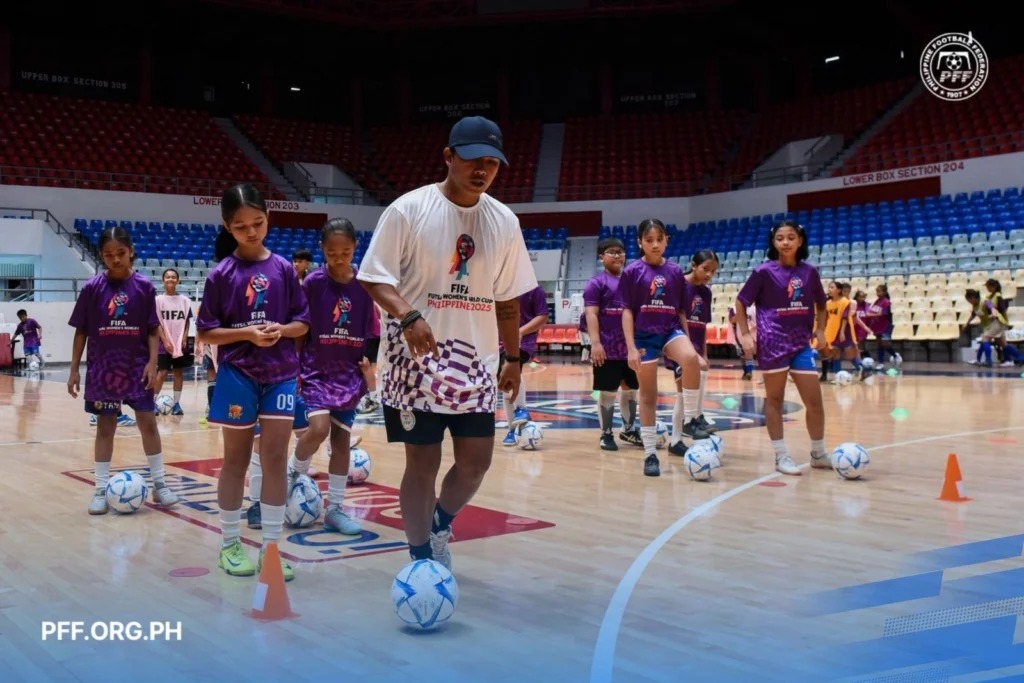
Determined to build on the momentum and ensure that the impact of the World Cup extends beyond the tournament itself, the Philippine Football Federation (PFF) wasted no time in translating inspiration into action. On Sunday, January 25, the federation conducted a PFF Futsal Clinic in the province of Rizal, an initiative aimed at introducing the sport to communities and encouraging young players to take up futsal at an early age.
The clinic was designed as a grassroots-driven effort to expand access to futsal in a basketball-dominated sporting landscape. By bringing structured training directly to local communities, the PFF hopes to lower barriers to entry and create sustainable pathways for aspiring futsal players across the country.
“We’re very humbled that the inaugural FIFA Futsal Women’s World Cup will be held in our country.”
Preparations are already underway in the Philippines to host their first-ever FIFA event next year 🇵🇭 pic.twitter.com/6sGb3N5LC5— FIFA (@FIFAcom) October 11, 2024
A total of 110 youngsters, ranging from children to teenagers and representing various parts of the province, participated in the clinic. The sessions focused on fundamental skills, movement, ball control, and an understanding of futsal’s fast-paced nature. Beyond technical instruction, the clinic emphasized teamwork, discipline, and enjoyment—key elements in nurturing long-term interest in the sport.
Leading the sessions was Jeffrey de Castro, assistant coach of the Philippine women’s national futsal team and Operations Manager of the PFF Coaches Education Program. He was joined by coaches from FA Rizal and members of the Filipina5 national team, including Vrendelle Nuera, Bhebhe Lemoran, and Regine Rebosura. Their presence provided young participants not only with expert instruction but also with visible role models who embody the pathway from grassroots futsal to national representation.
“Hosting the first FIFA Futsal Women’s World Cup gave us belief. What matters now is what we do after. This clinic is about turning inspiration into opportunity by bringing futsal to communities, engaging young players early, and creating pathways for the next generation of Filipina and Filipino futsal players,” PFF president John Anthony Gutierrez said on the occasion.
Gutierrez also highlighted futsal’s accessibility as a key factor in its potential growth nationwide, particularly in densely populated areas where traditional football pitches are scarce.
“Futsal can be played in covered courts and small spaces, which allows us to reach more communities. From these clinics, we hope to identify and nurture talents who can eventually represent the country,” he added.
For the PFF, the Rizal clinic represents more than a single-day event. It is part of a broader strategy to capitalize on the World Cup’s legacy by investing in youth development, coach education, and regional outreach. By empowering local associations and engaging young players early, the federation aims to strengthen the foundation of futsal in the Philippines and ensure that the historic hosting of the FIFA Futsal Women’s World Cup becomes a starting point rather than a standalone achievement.
As the Philippines continues to explore new avenues for sporting growth, initiatives like the PFF Futsal Clinic serve as a reminder that lasting success is built not only on hosting global events, but on nurturing the next generation who will carry the sport forward.
👉 Don’t miss out on the latest sports news, updates, and fan discussions!
📌 Follow our Facebook page Sports News PH today and join the community of passionate sports fans.










Related Posts

Stay Informed With the Latest & Most Important News
Previous Post
Next Post